


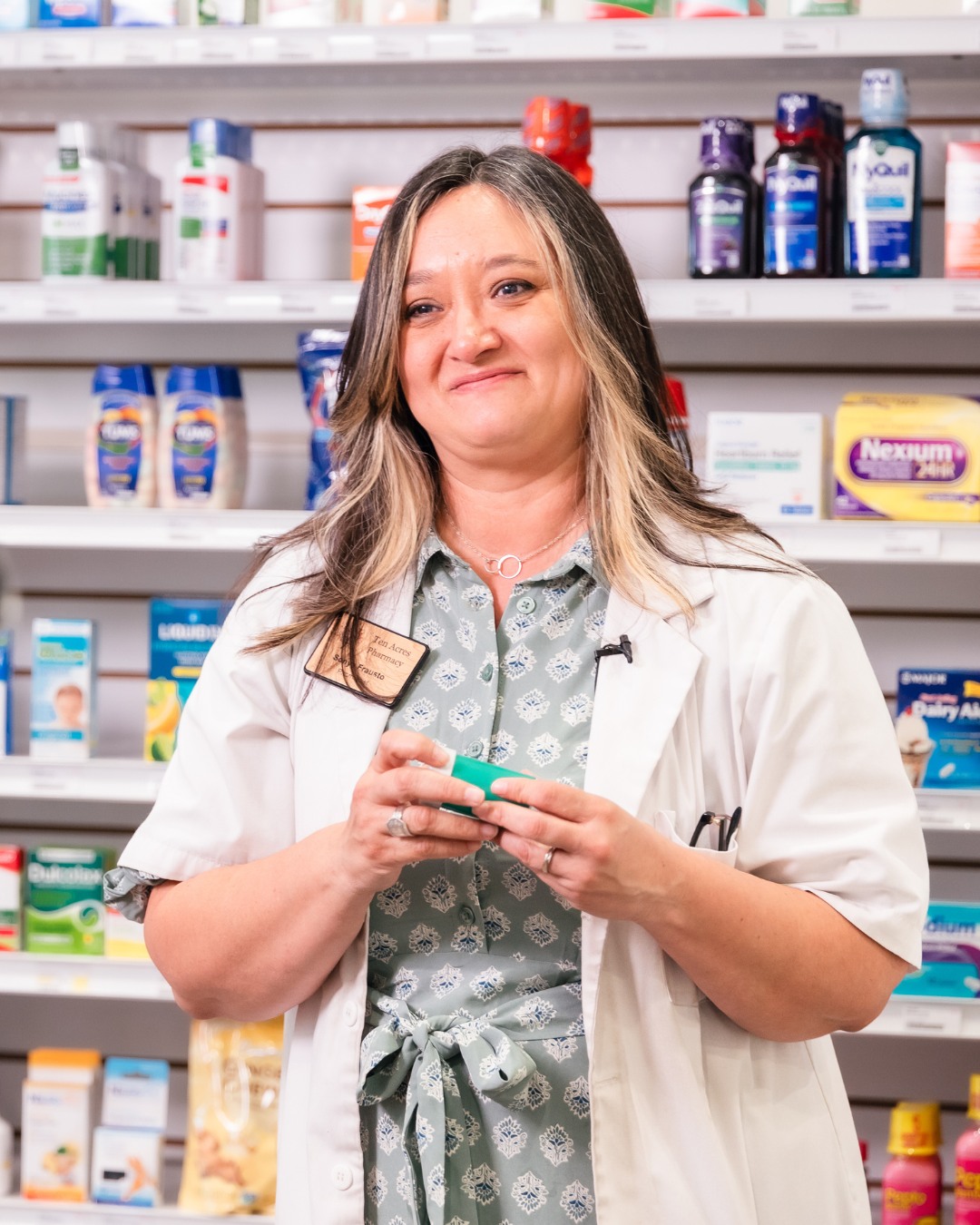
Independent pharmacies have always defined themselves through patient-centered care. While large chains optimize for scale and efficiency, independent pharmacists build trust through relationships, service, and attention to detail.
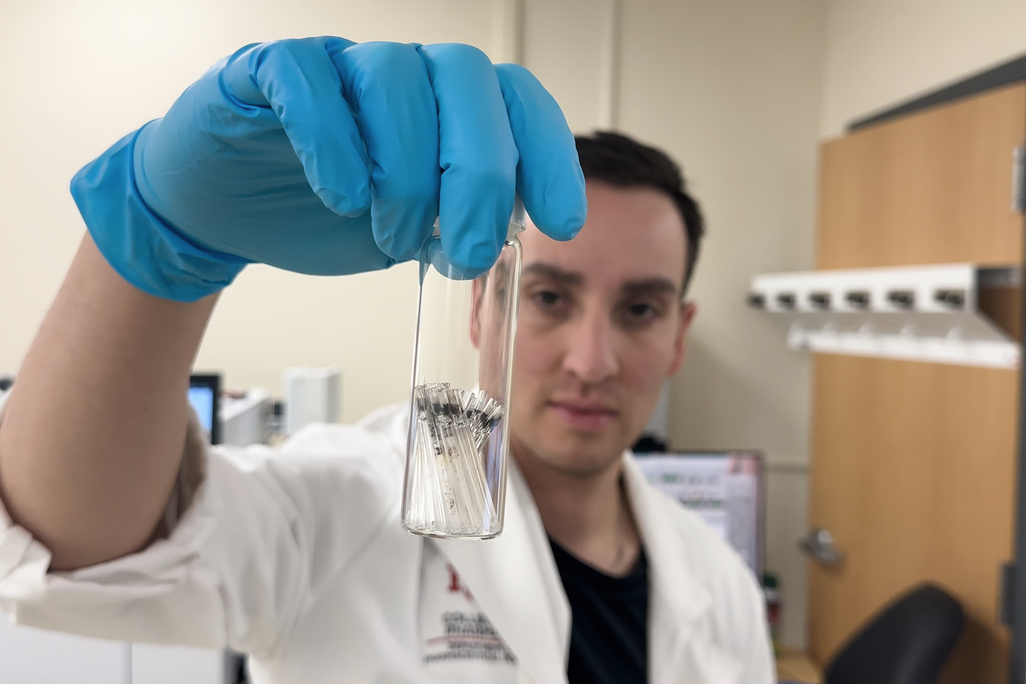
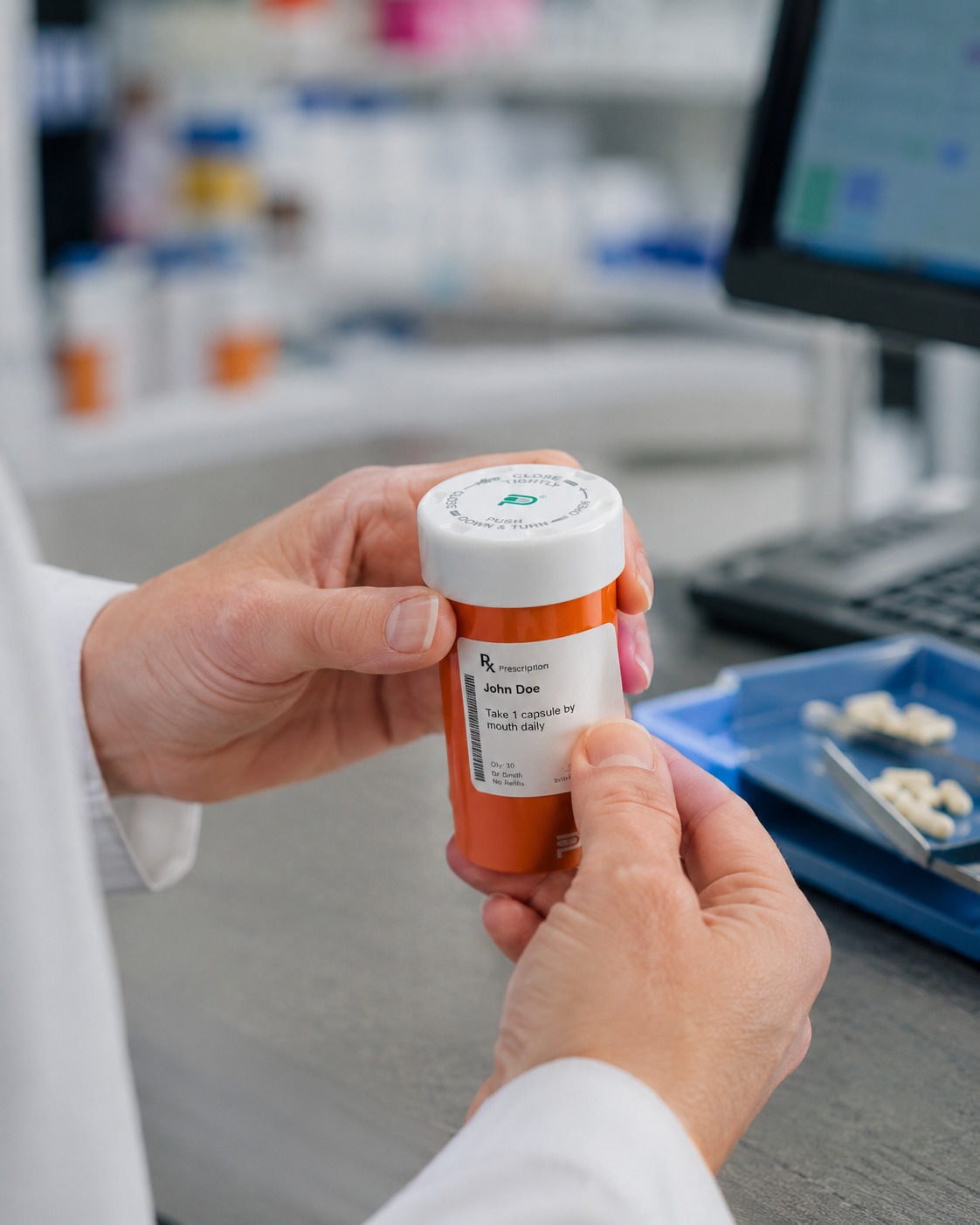
Yet one part of the pharmacy experience has remained largely unchanged for decades: the prescription vial.
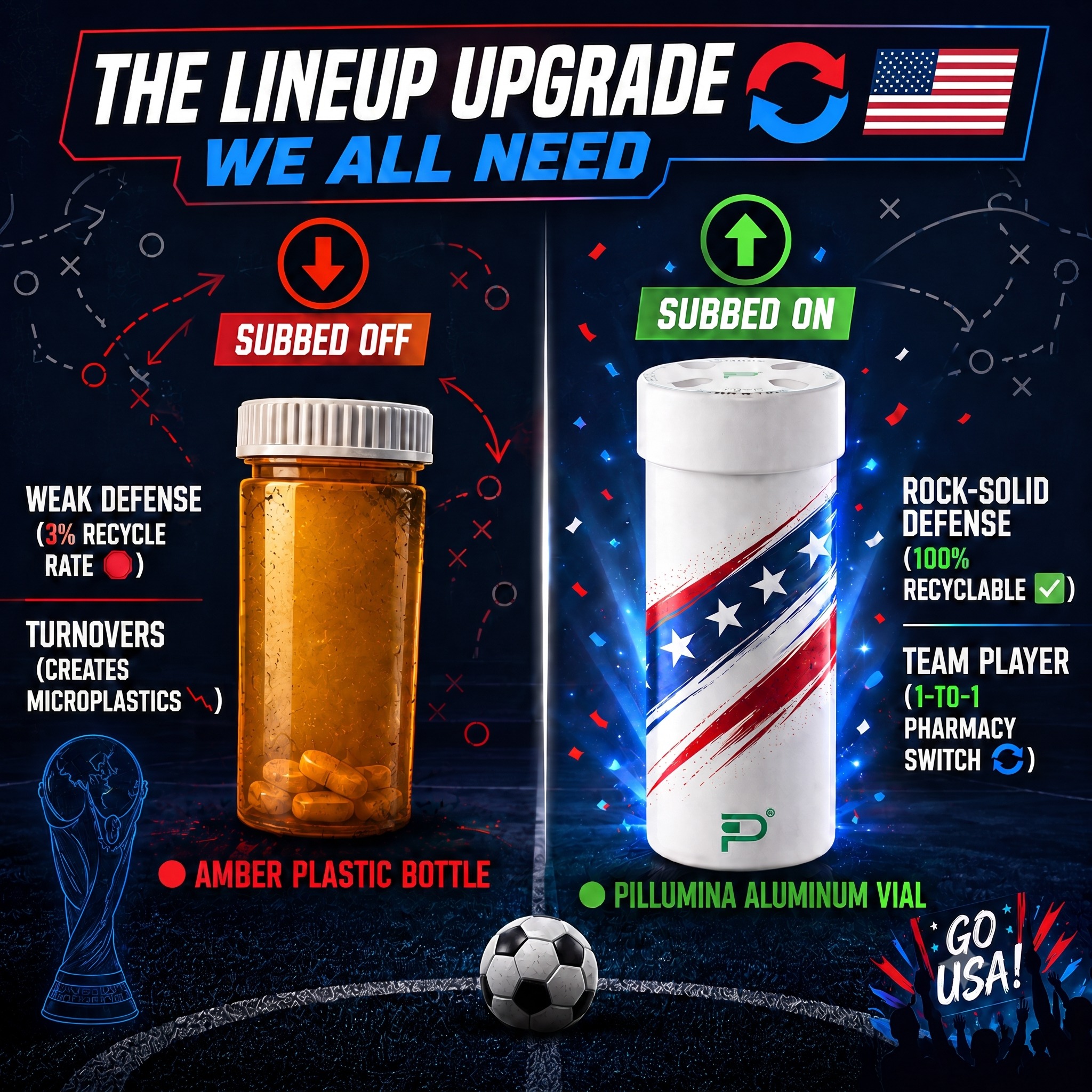
Plastic vials have long been treated as a necessity. But as patient expectations evolve and sustainability becomes a priority, forward-thinking pharmacies are beginning to rethink packaging as part of the care experience.
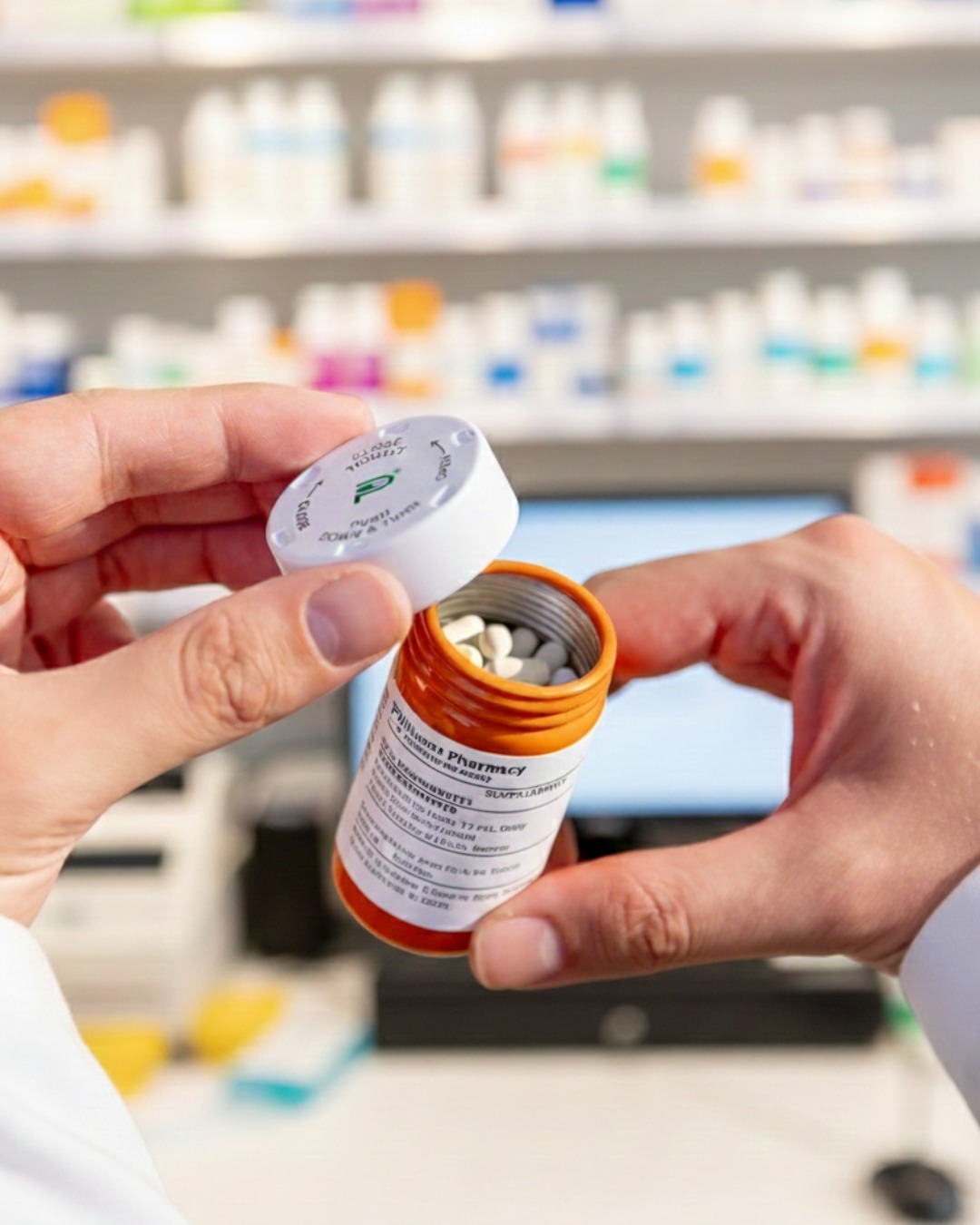
The vial that holds a patient’s medication is more than packaging. It is an extension of the care you provide.
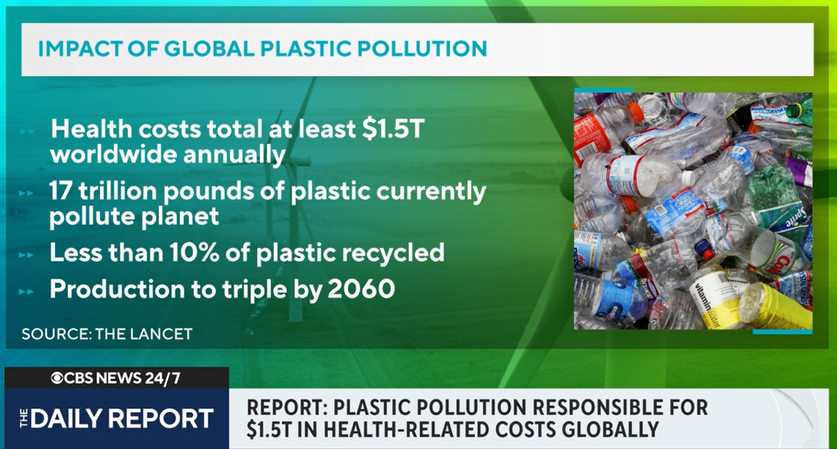
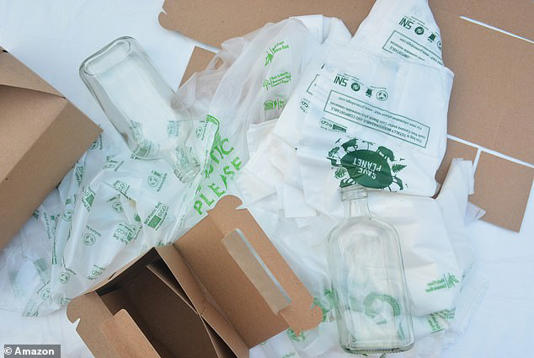
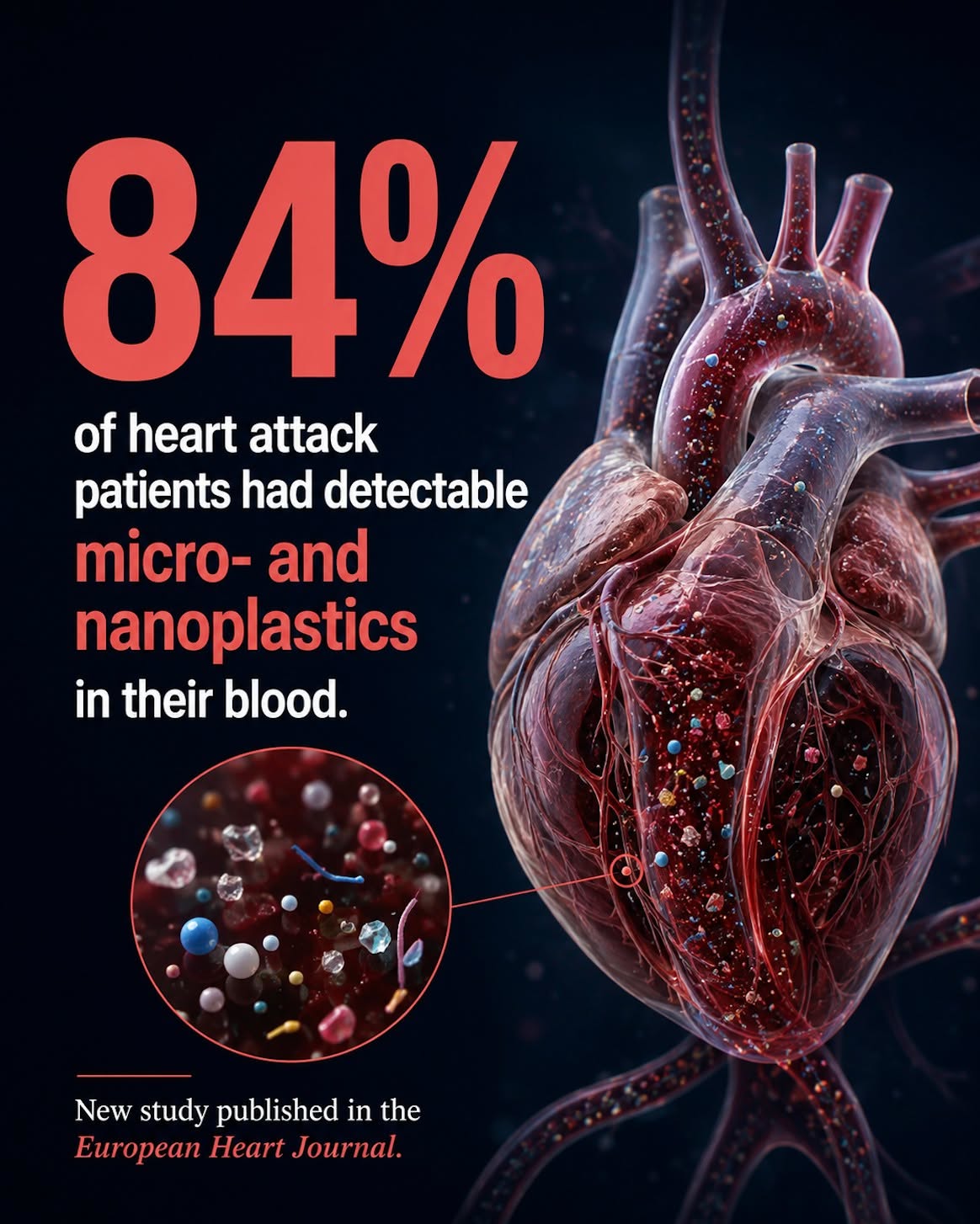
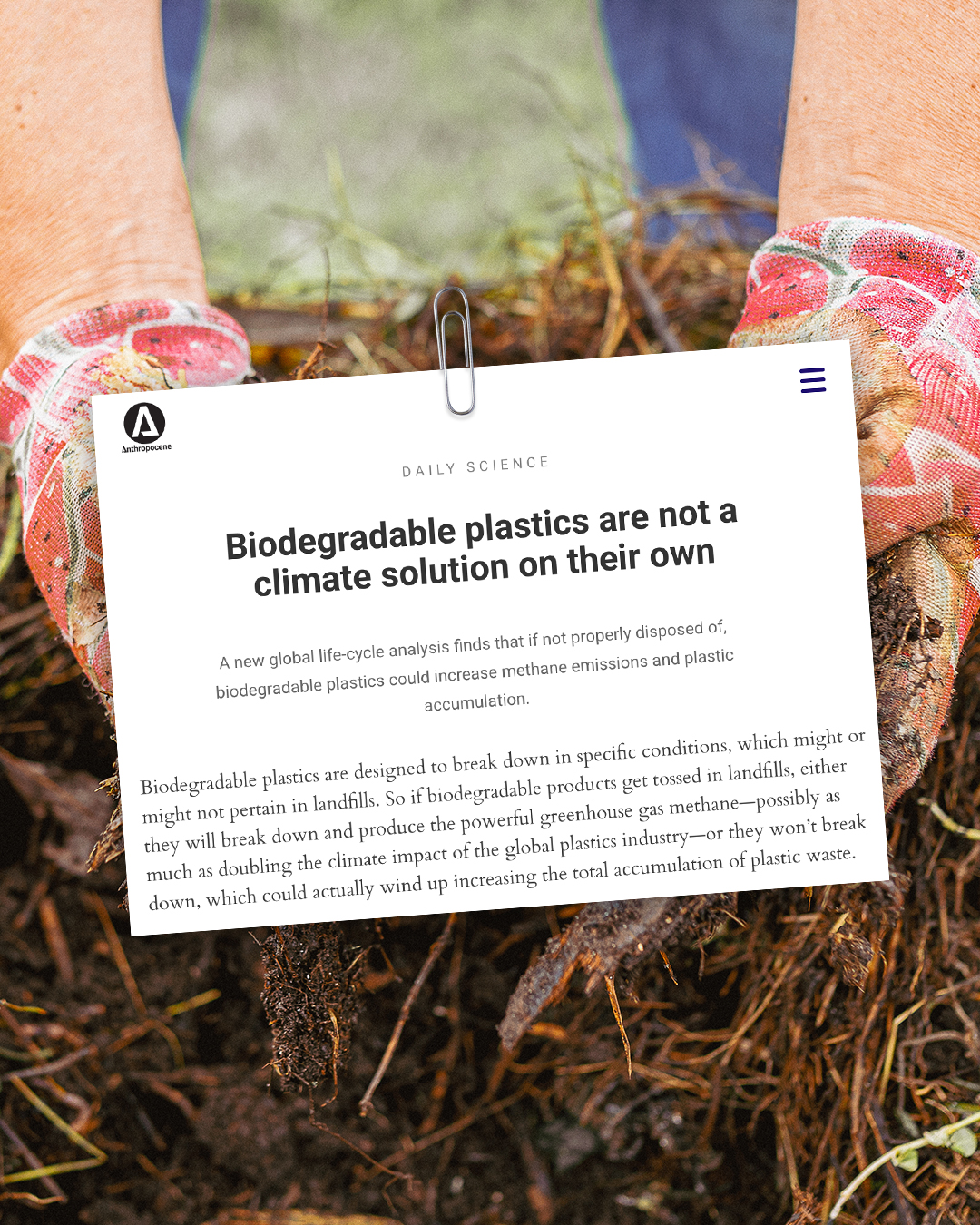
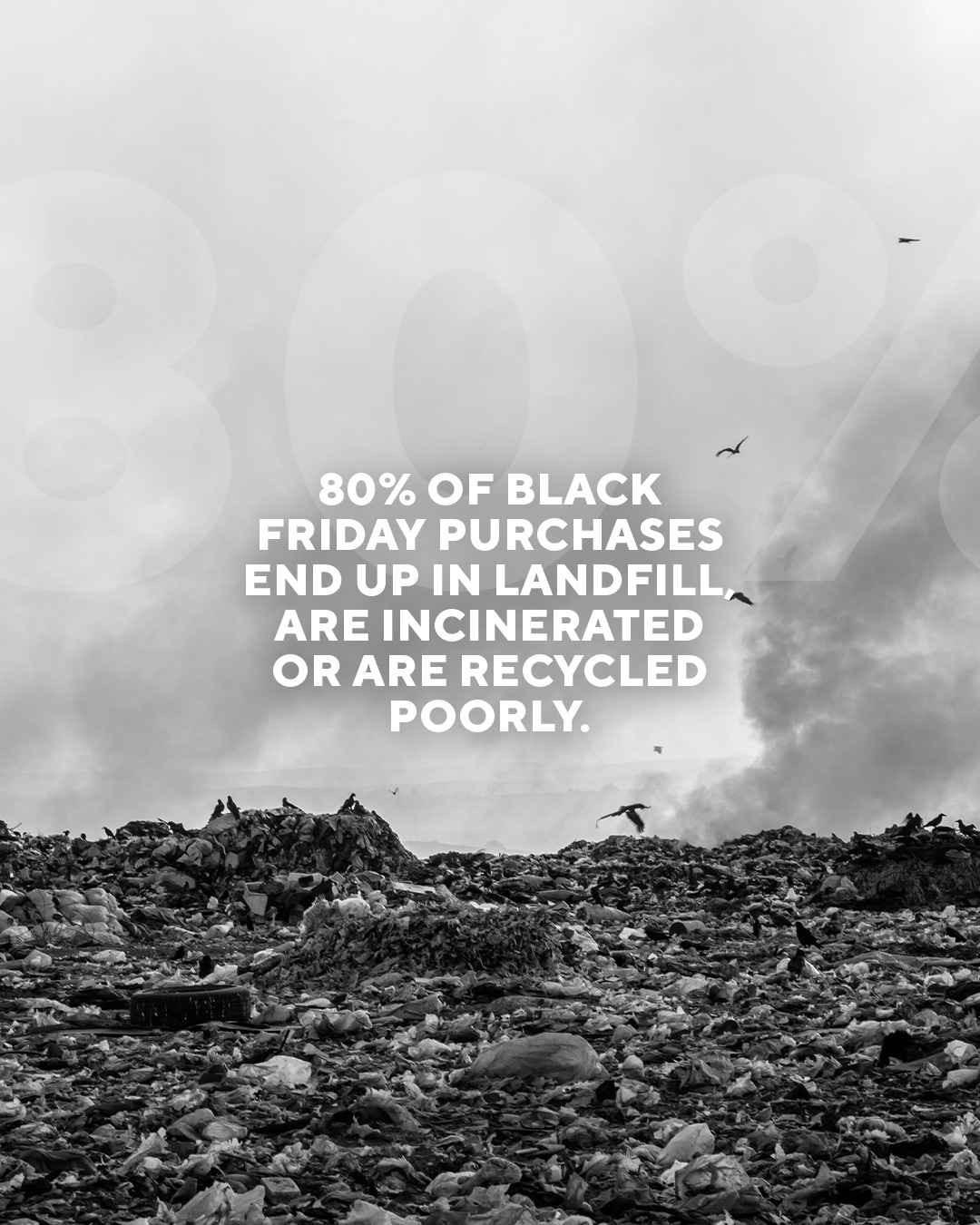
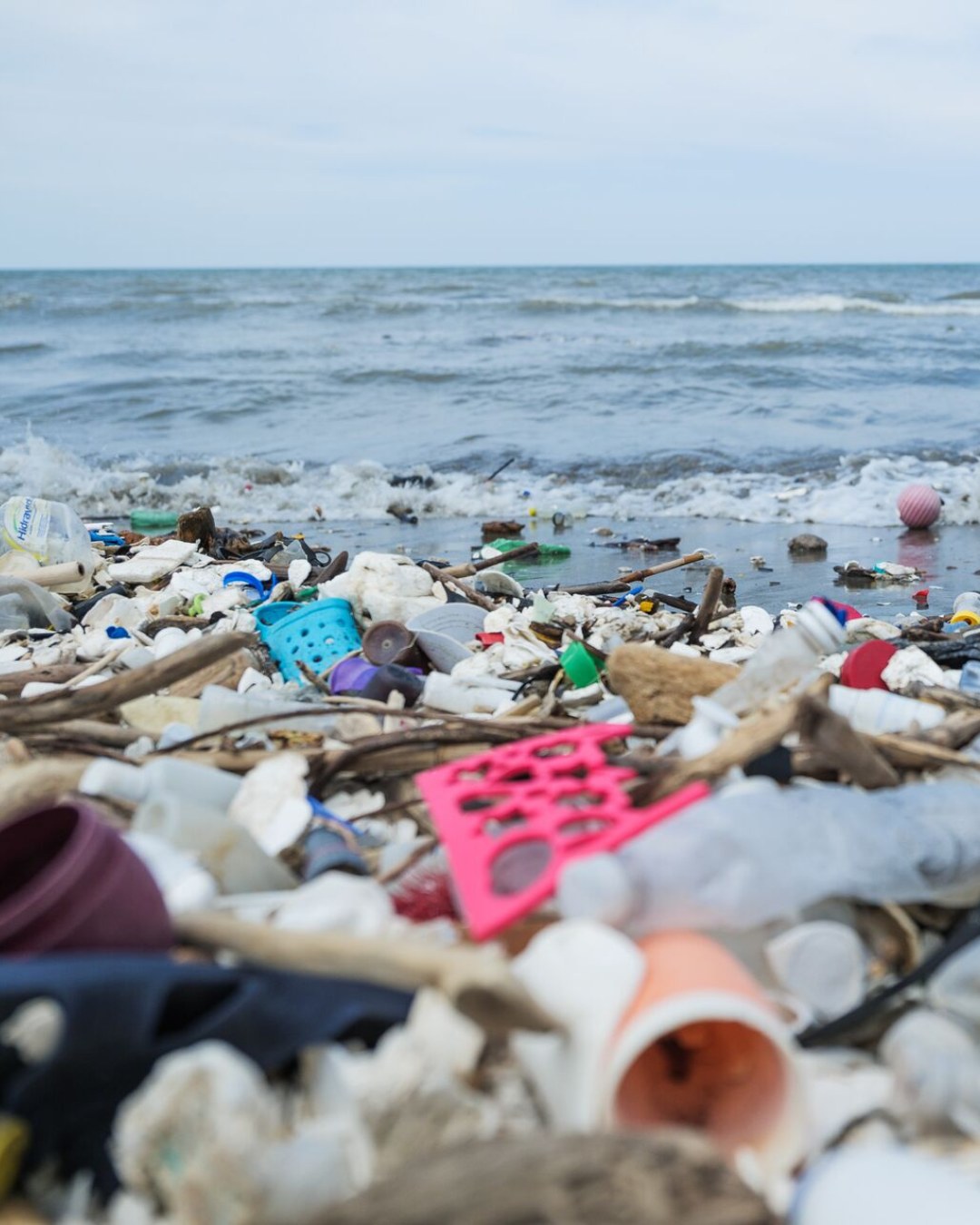
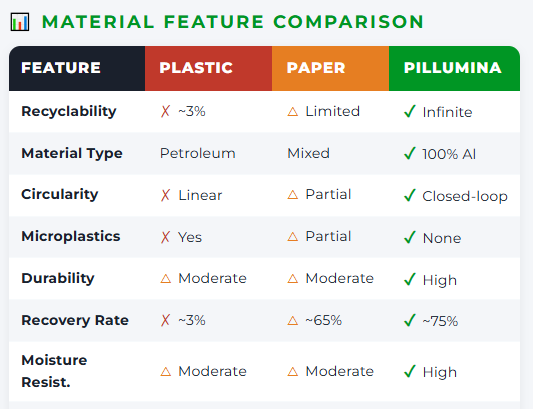
Patients are increasingly choosing brands and providers that align with their values. And while plastic has been the default, its environmental impact and long-term sustainability challenges are becoming harder to ignore.
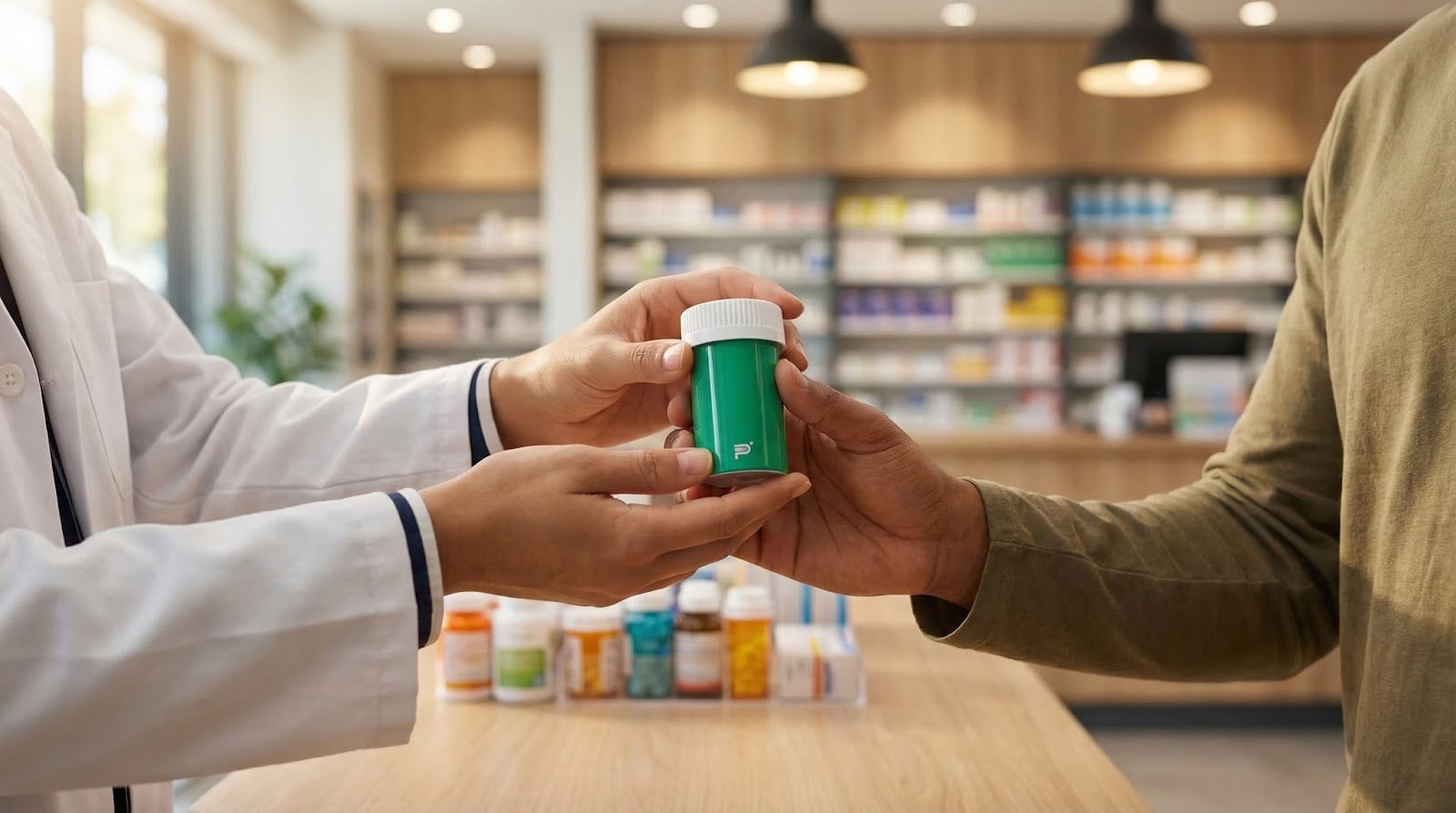
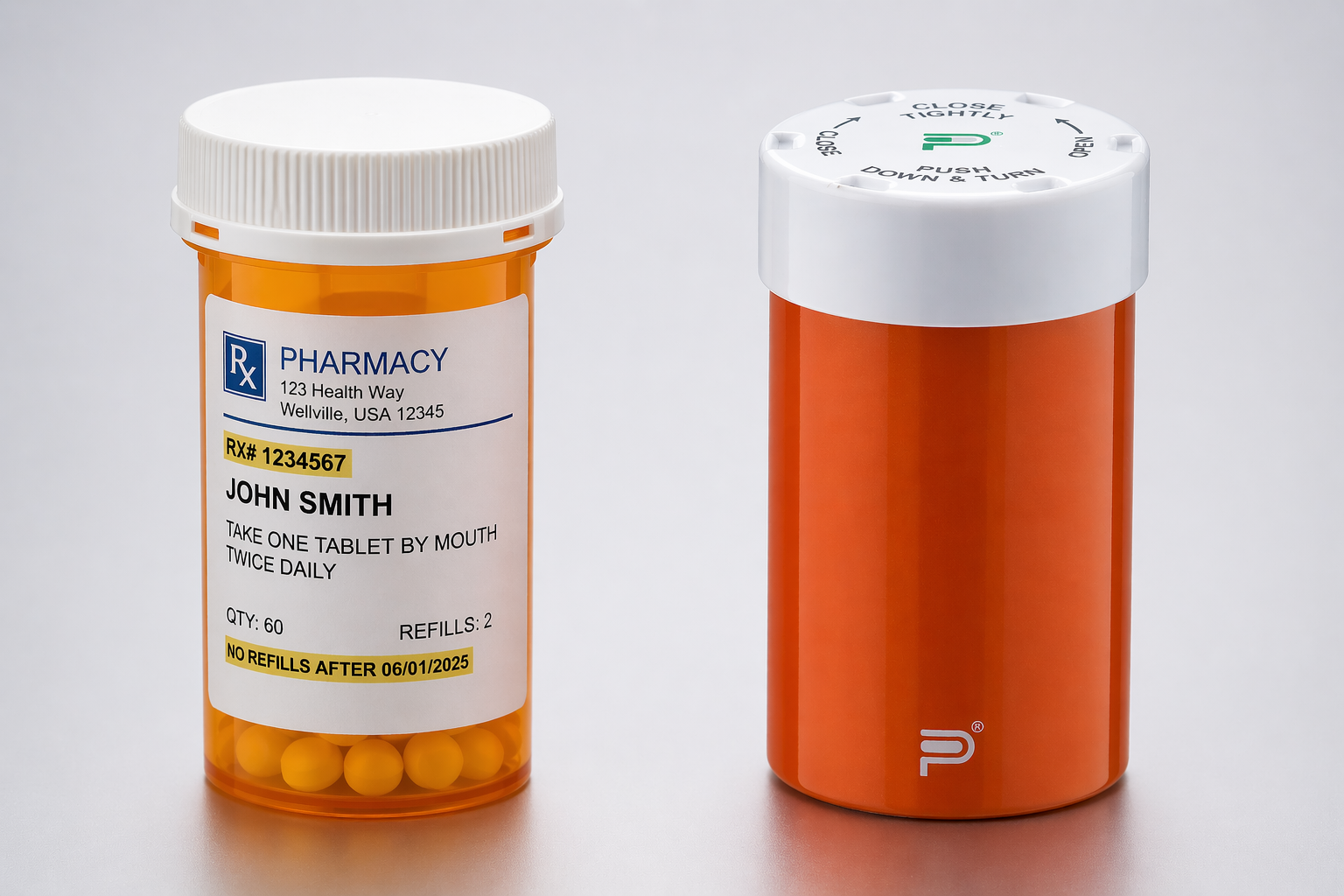
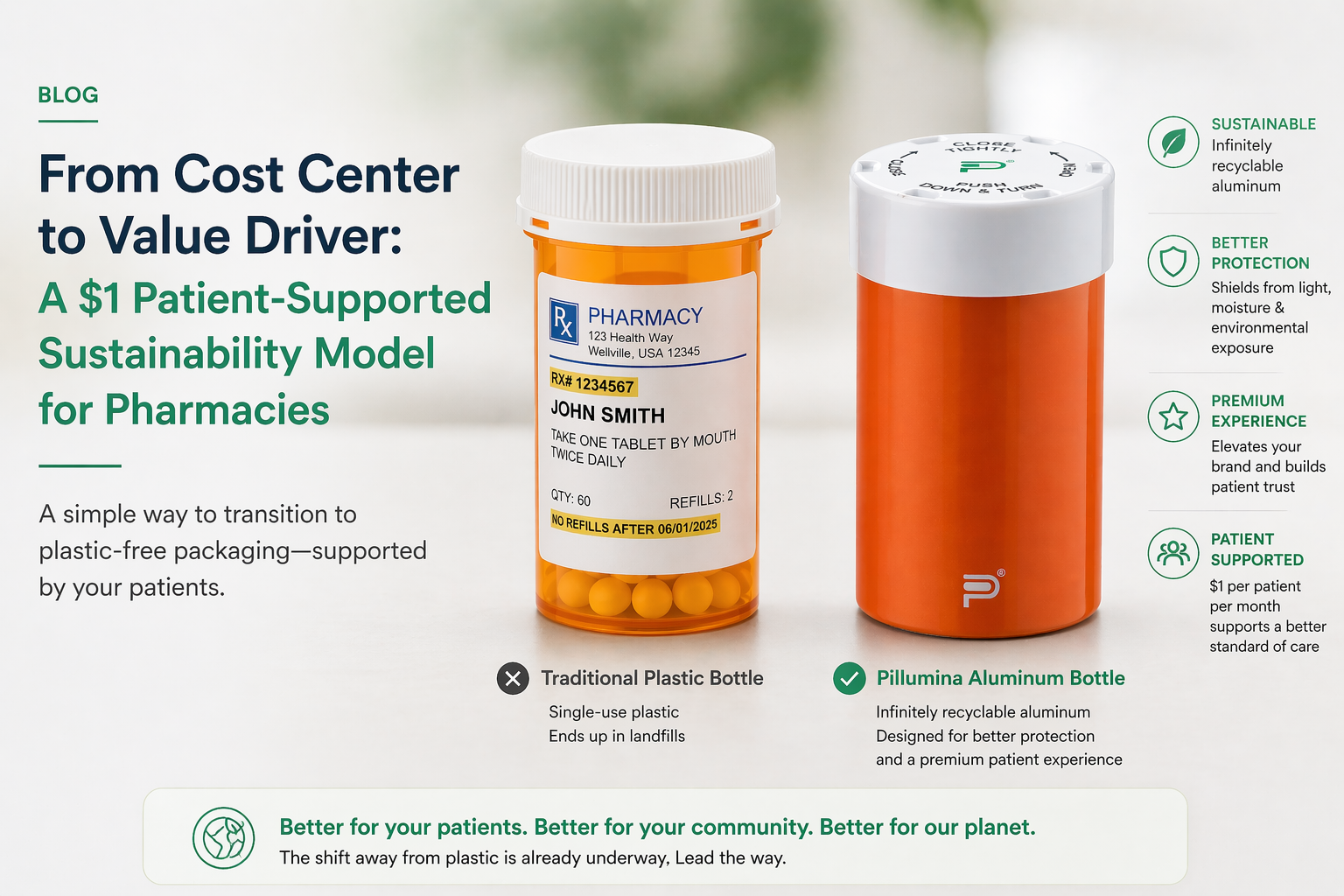
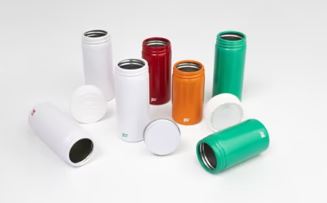
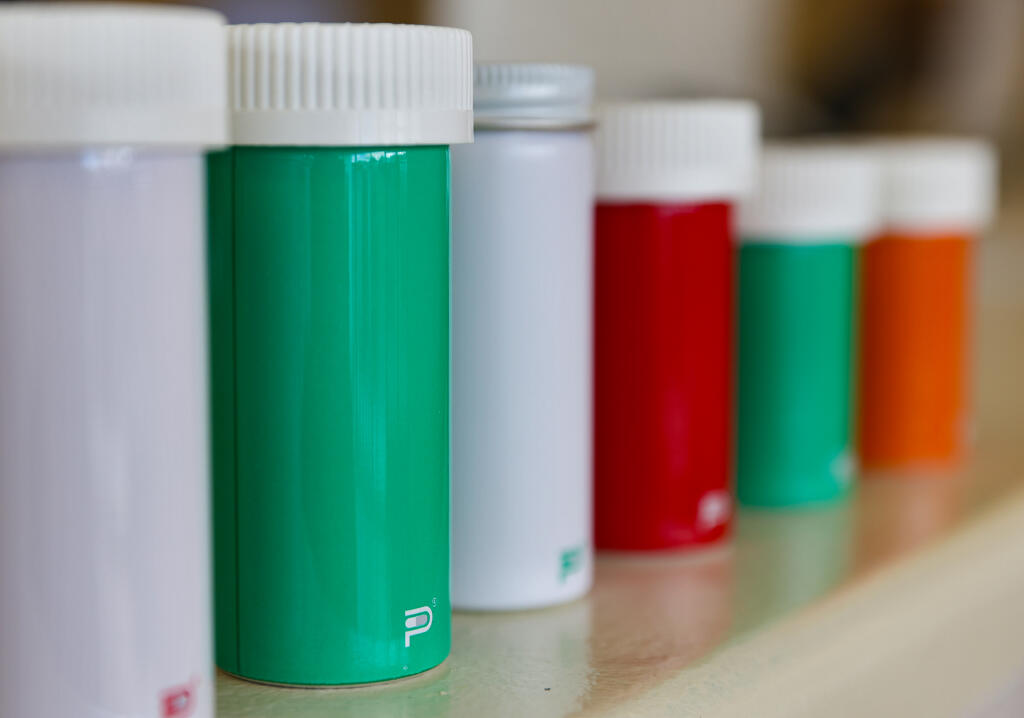
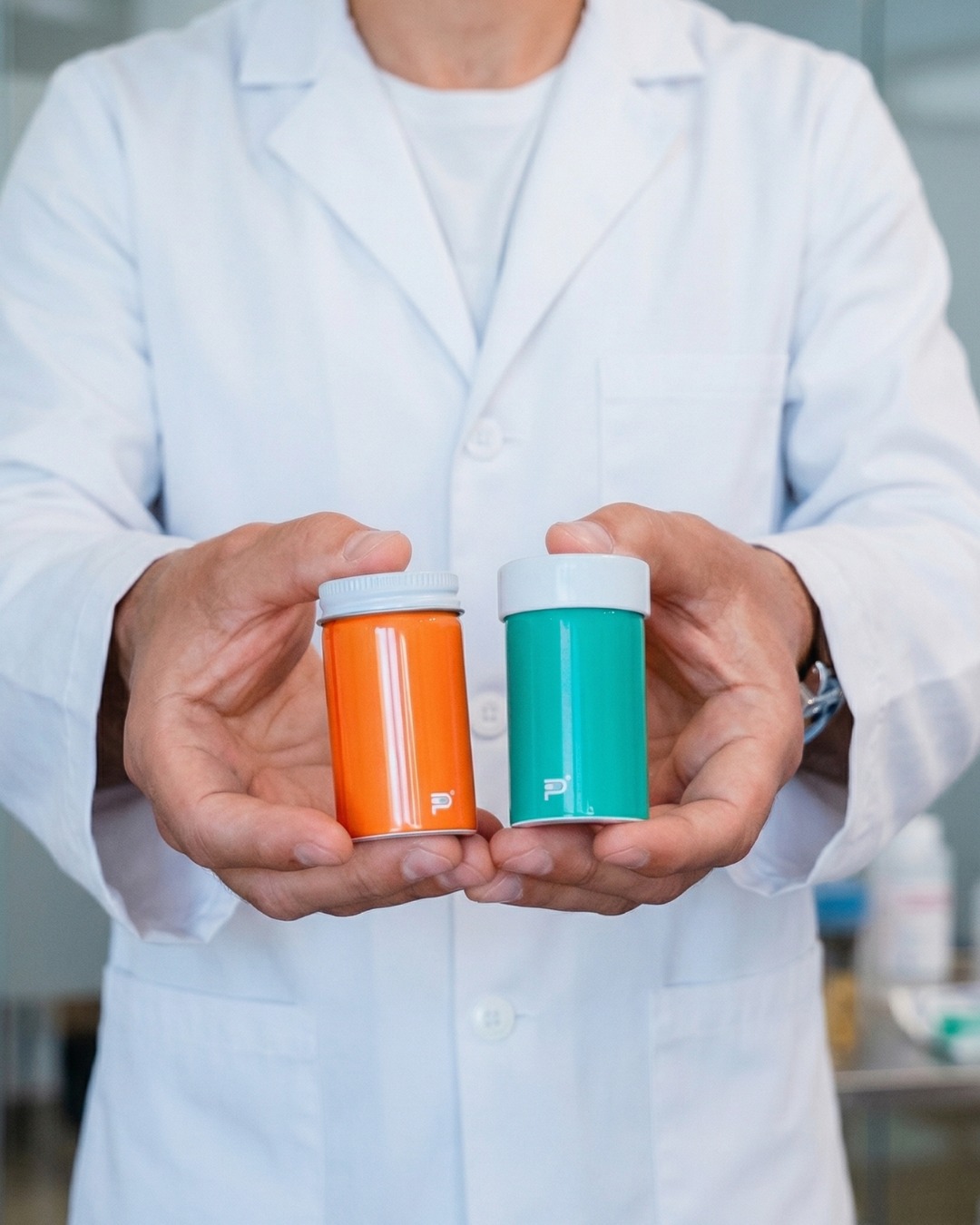
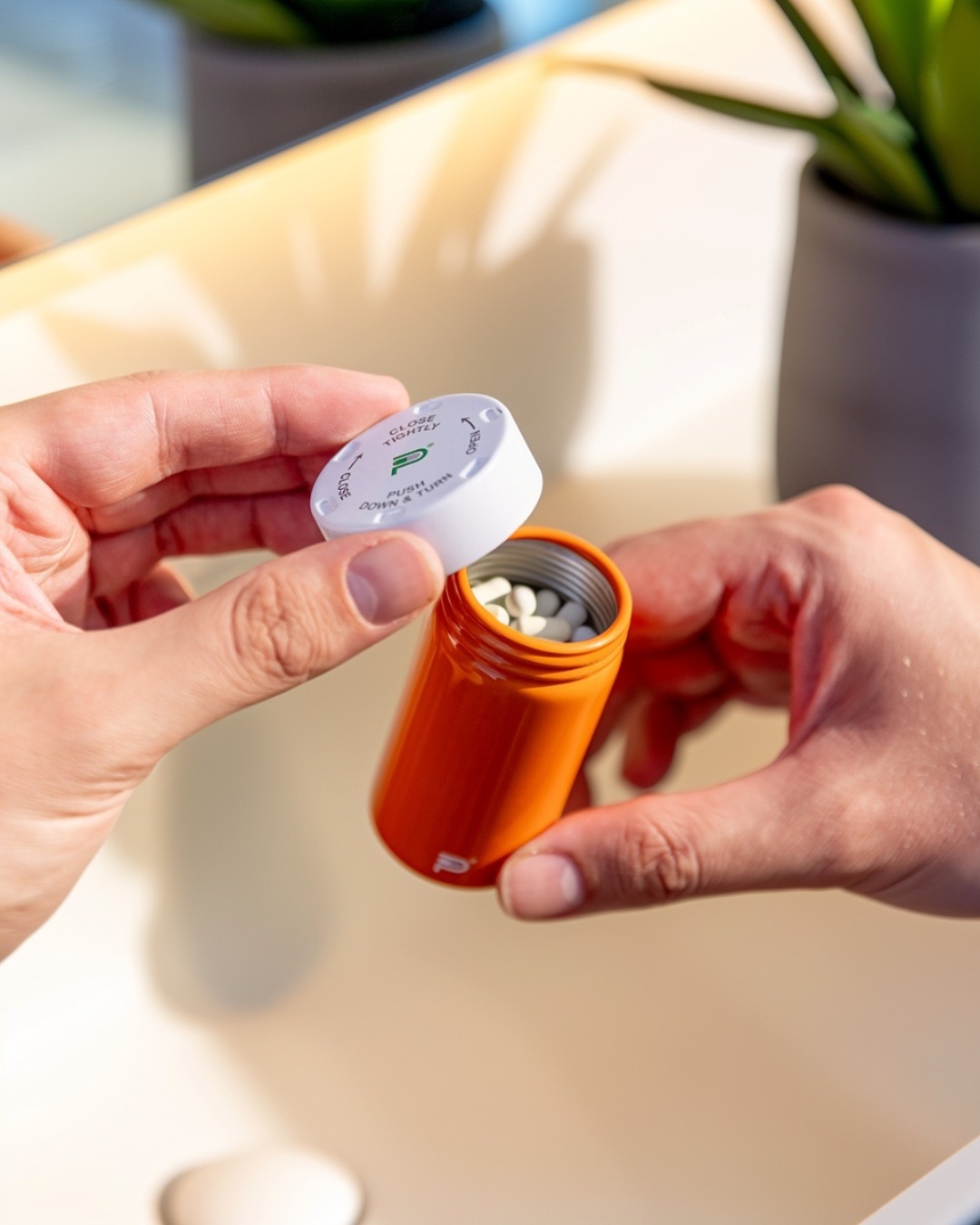
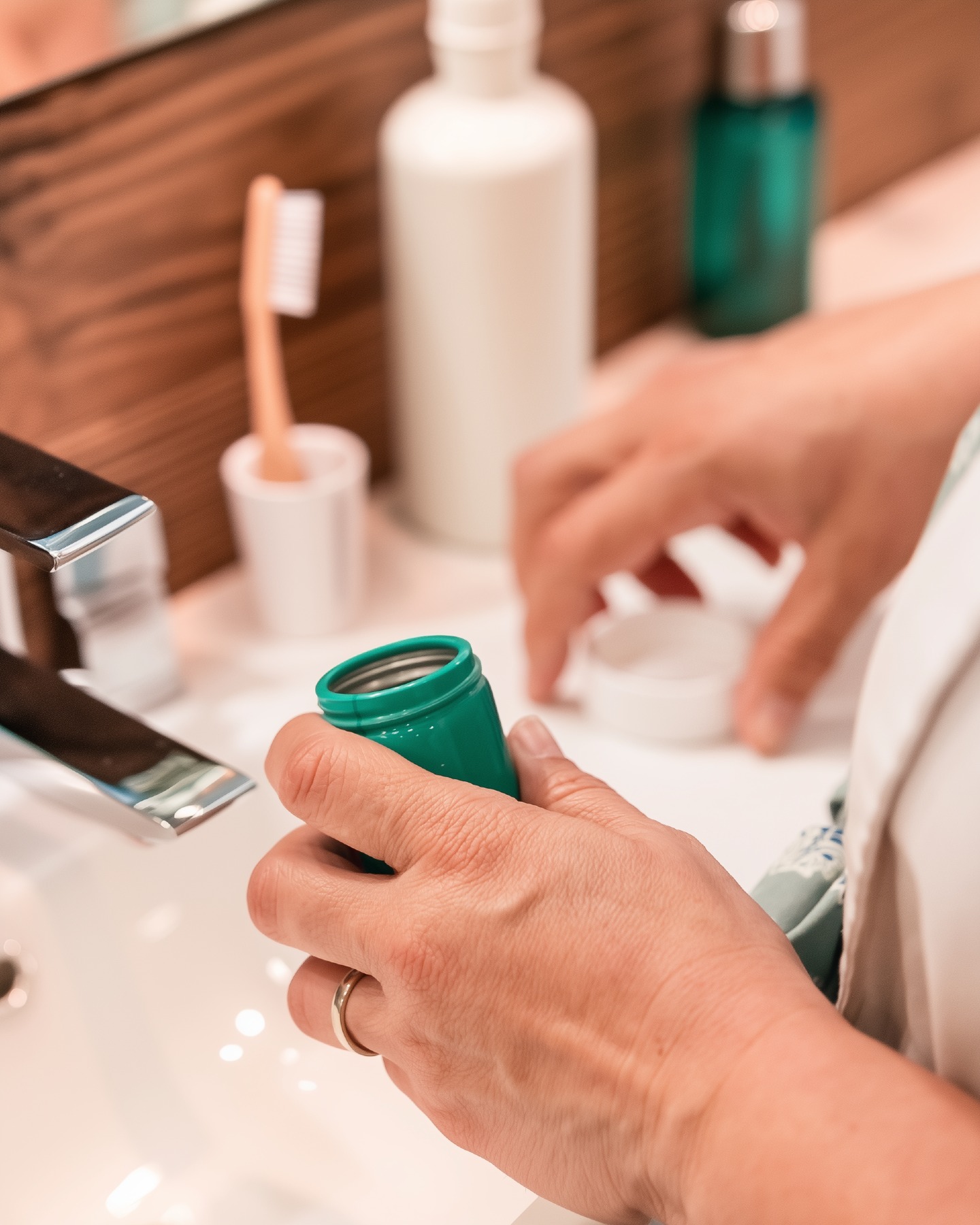
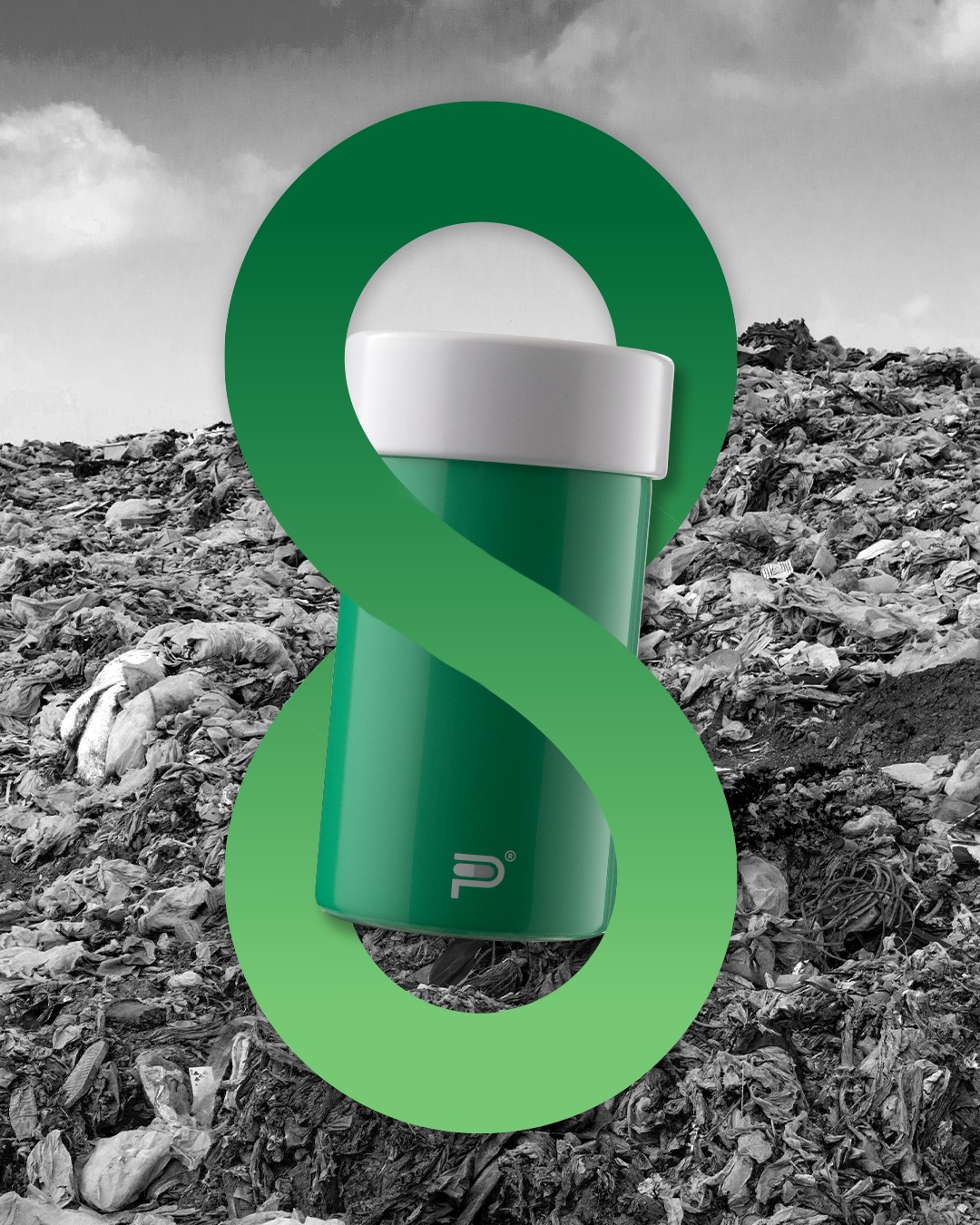
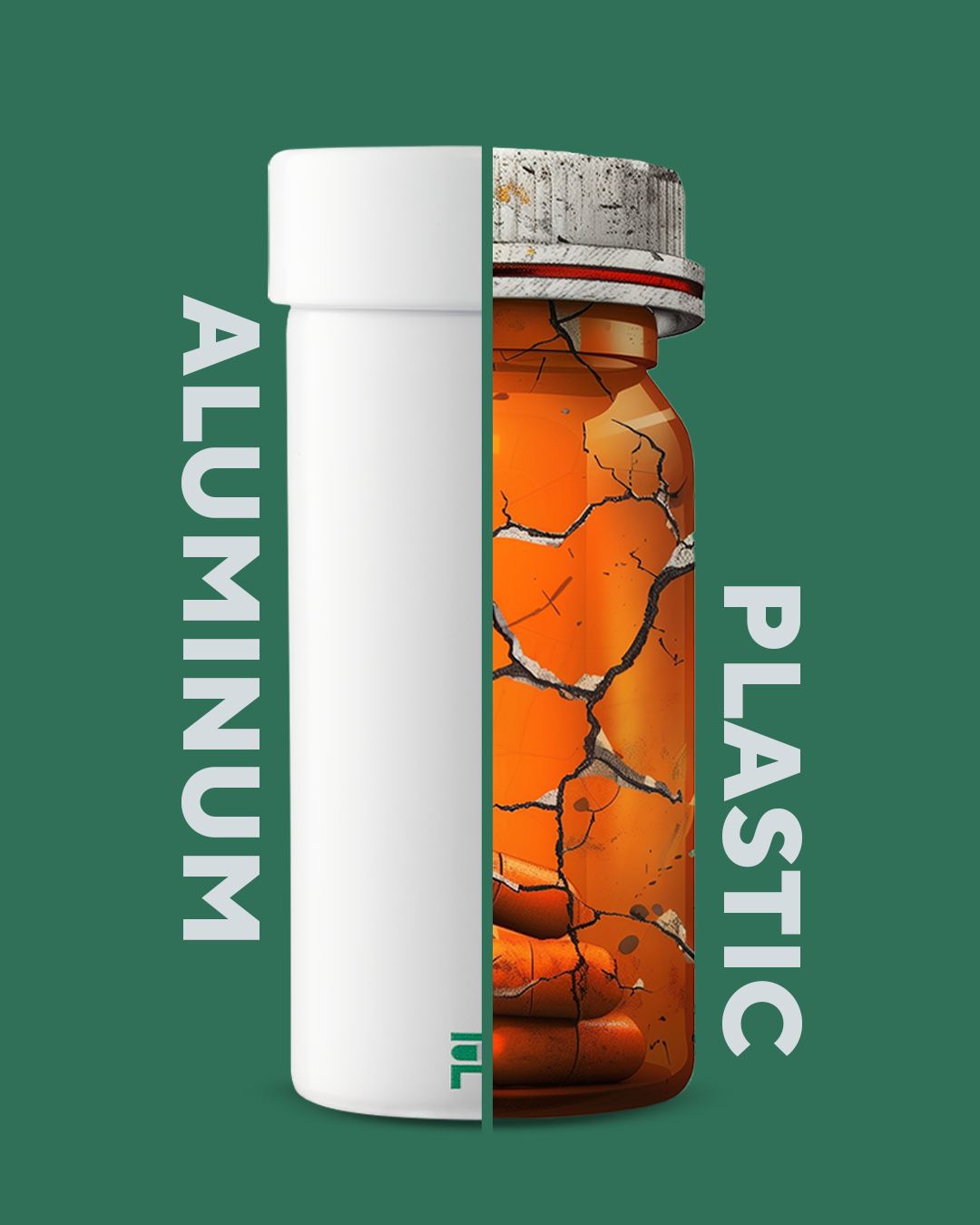
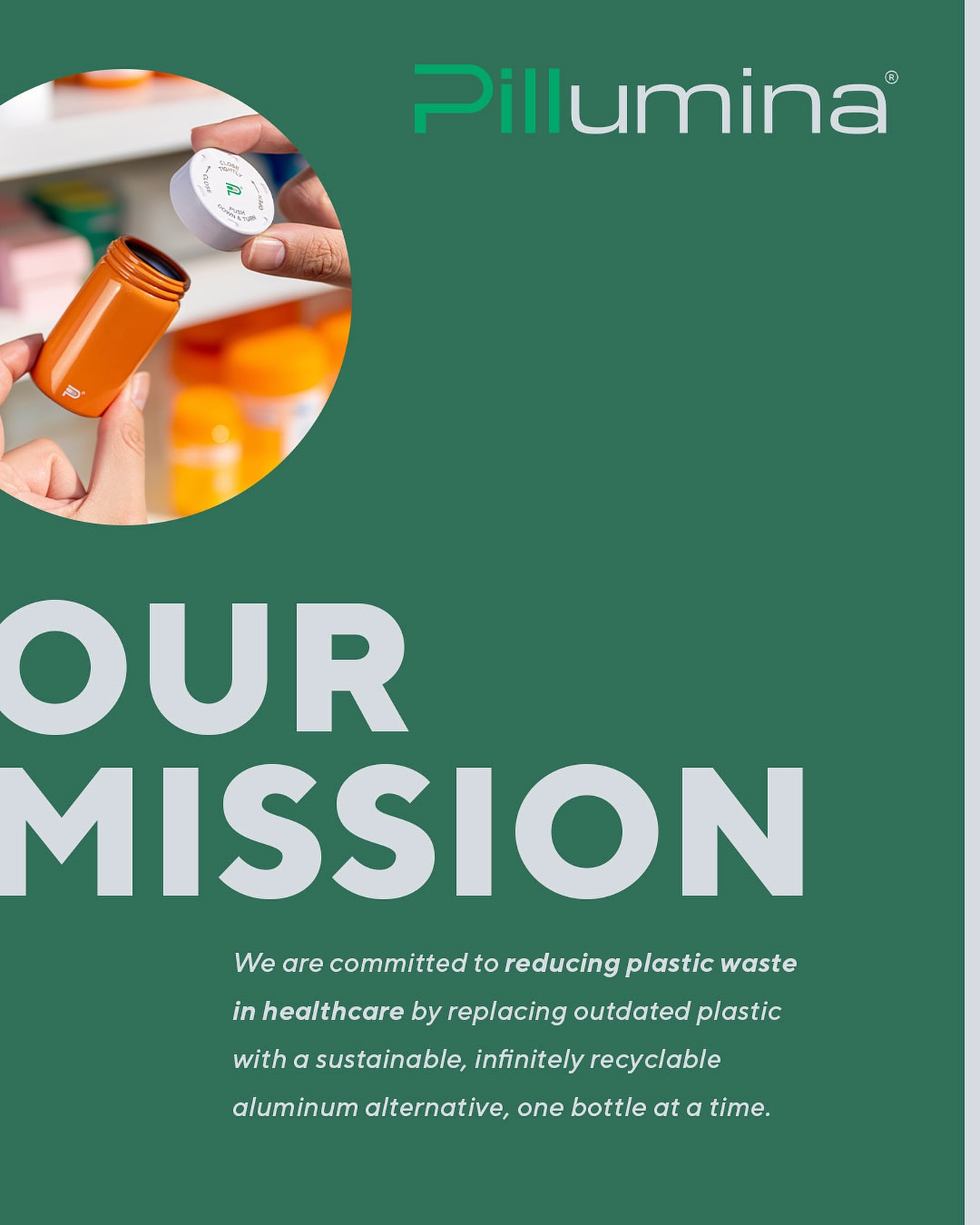
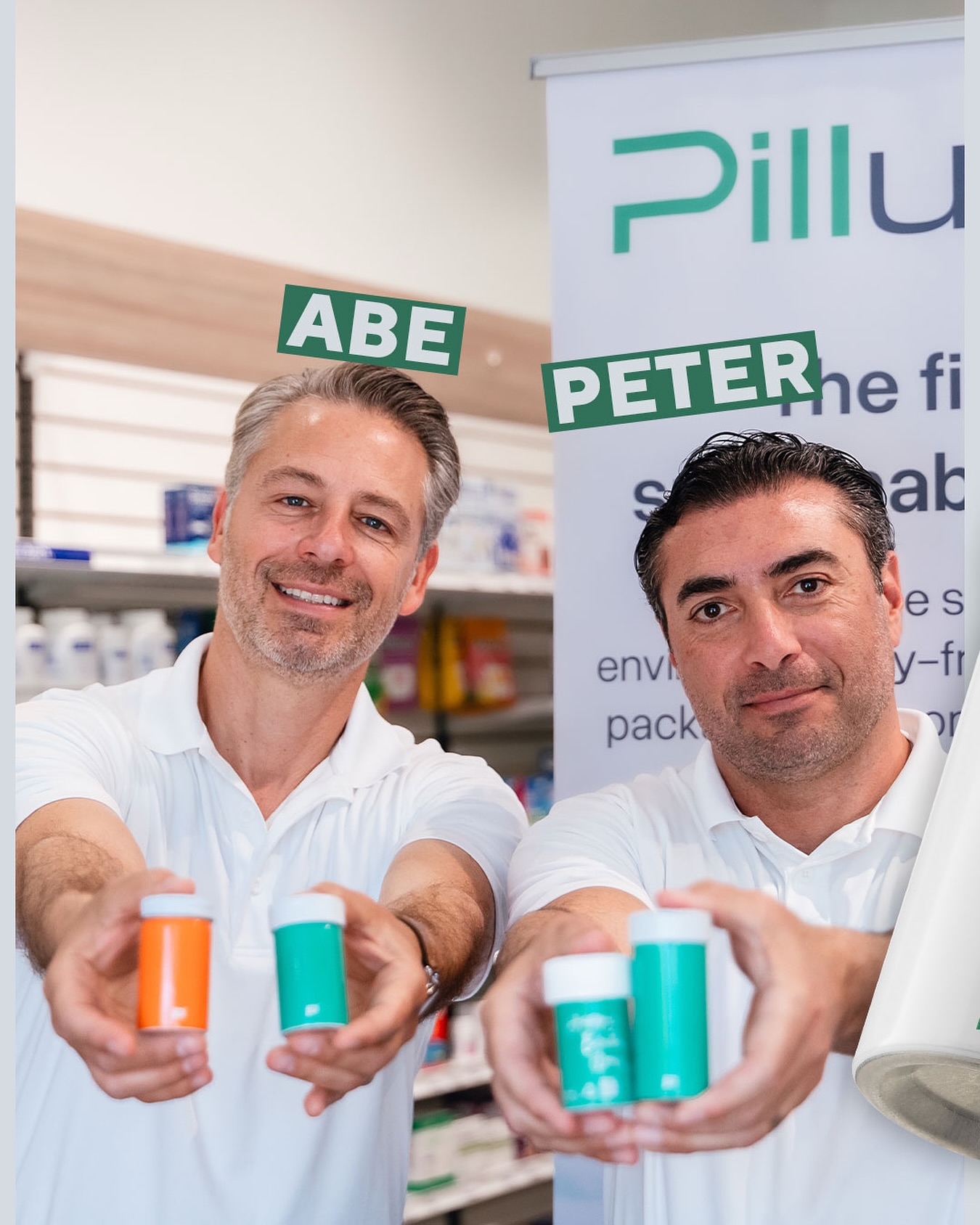
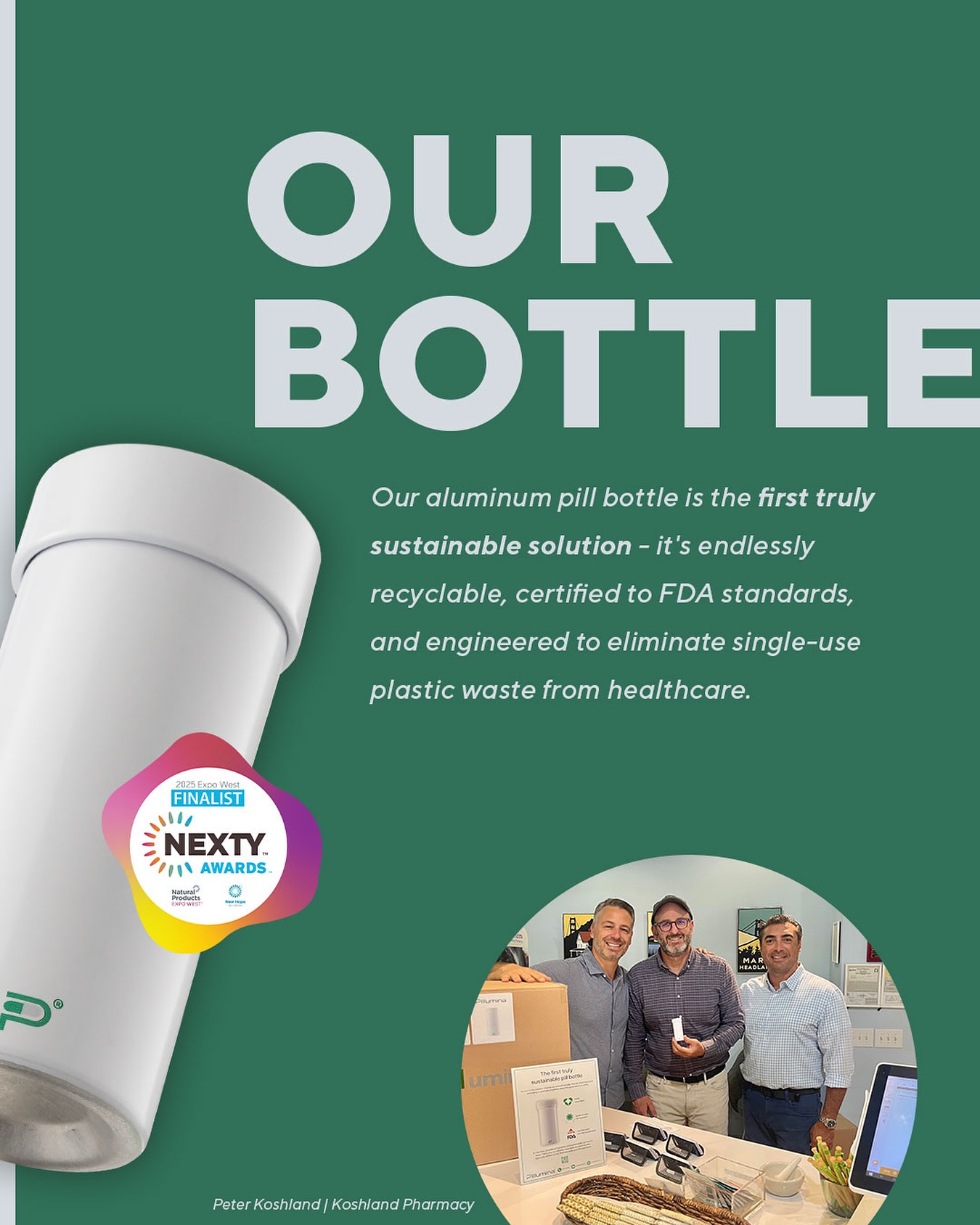
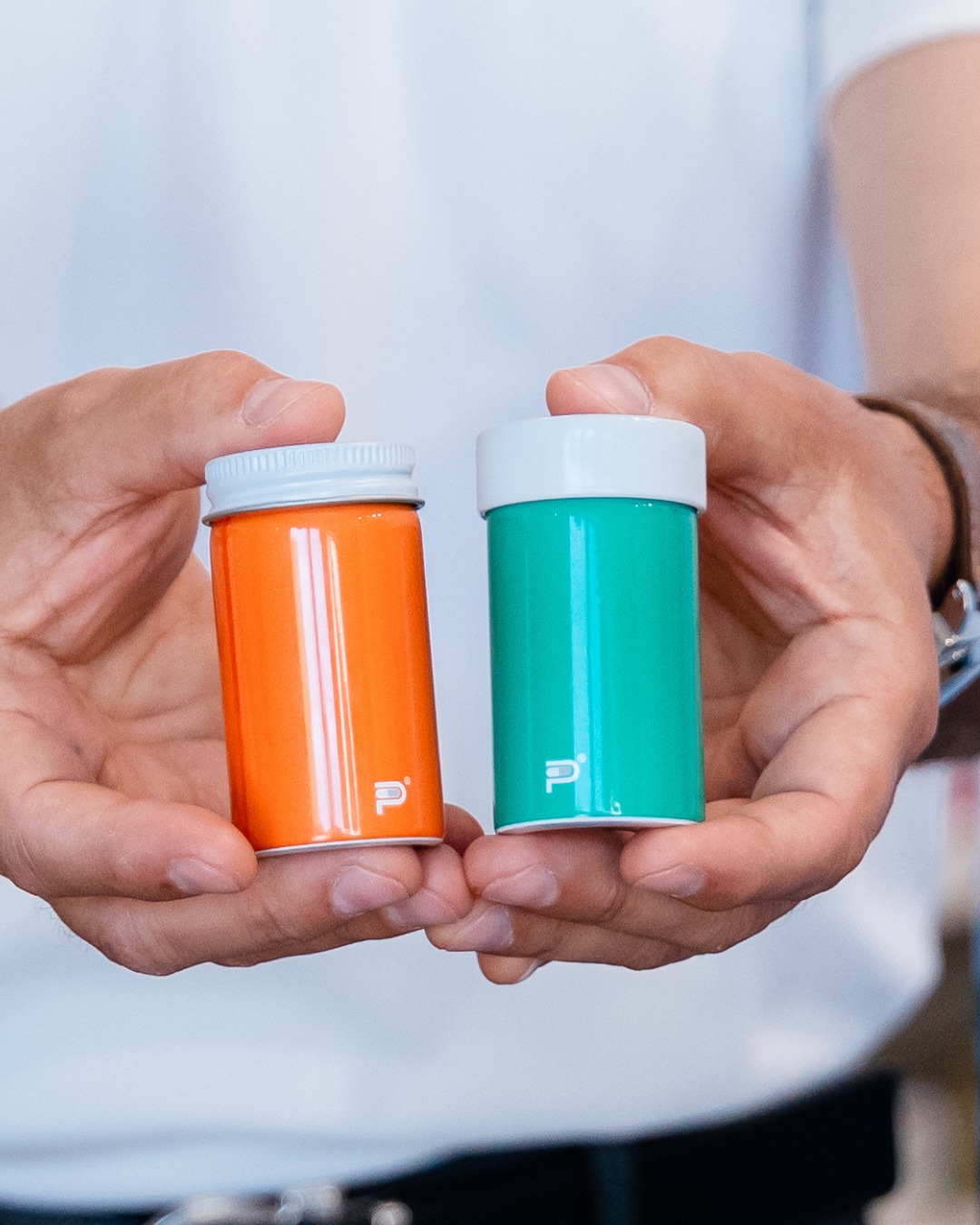
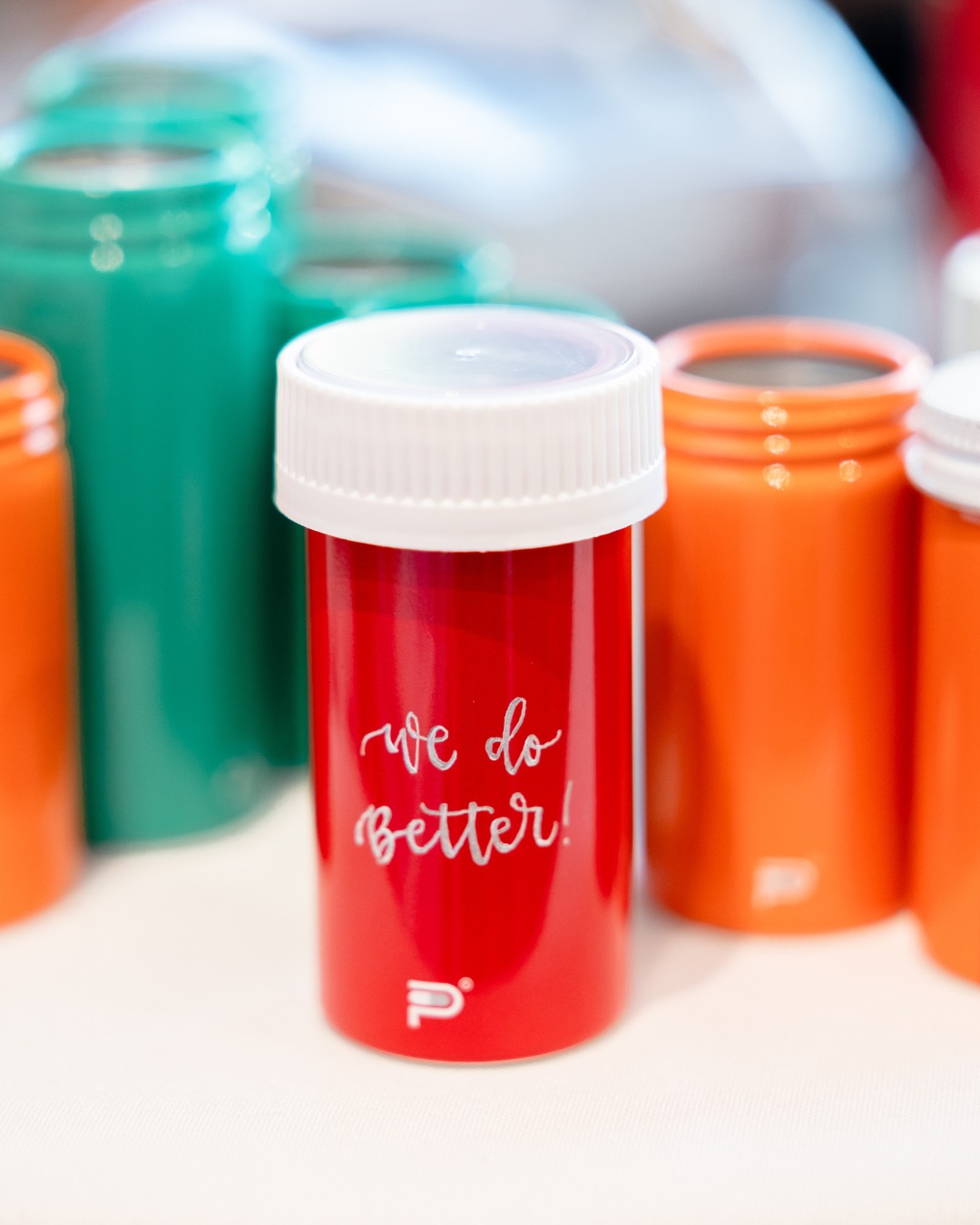
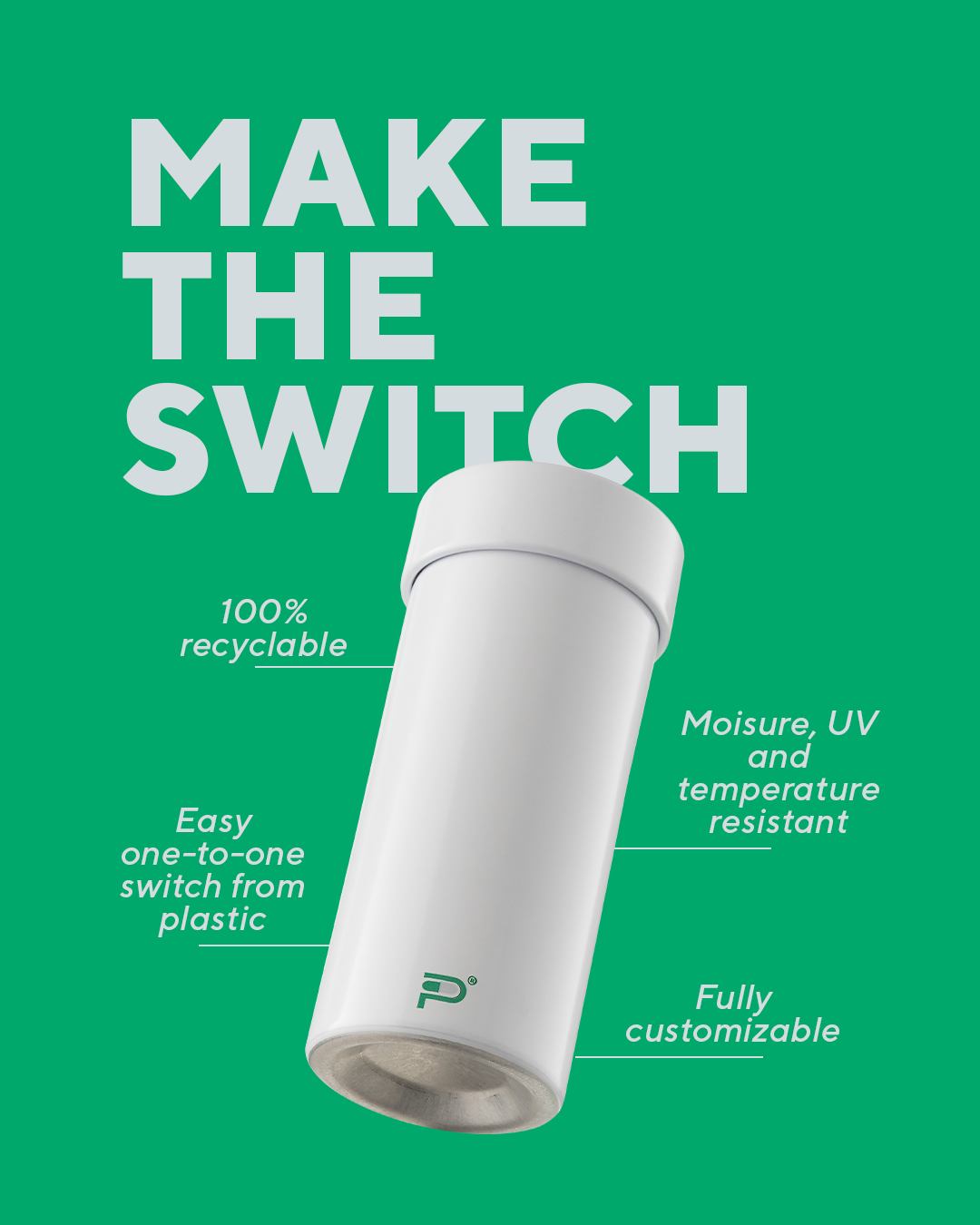
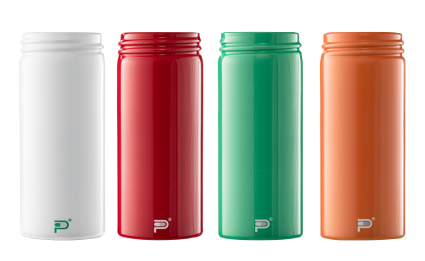
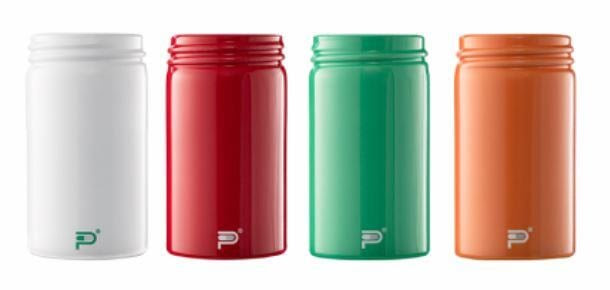
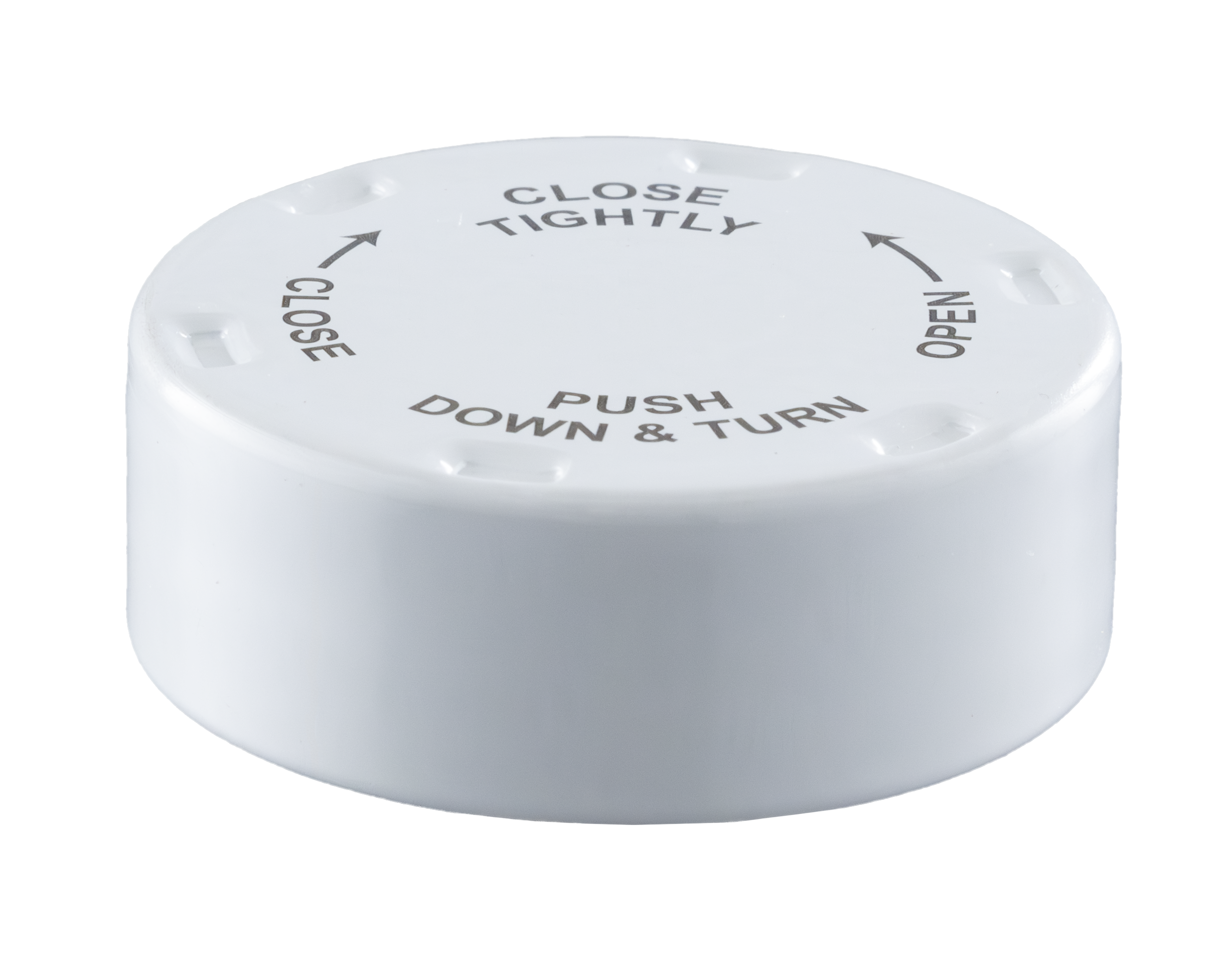
Pillumina enables pharmacies to offer a more sustainable, premium packaging experience through recyclable aluminum prescription bottles.
These bottles provide meaningful advantages:
Independent pharmacies operate on tight margins. Any change, no matter how beneficial, must be financially viable.
While many pharmacists want to move away from plastic, cost has been the primary barrier.
At the same time, consumer behavior is shifting. According to studies from organizations such as NielsenIQ and McKinsey, more than 70% of U.S. consumers say they are willing to pay more for sustainable products and packaging.
The opportunity is not just to absorb cost, but to rethink how packaging is positioned altogether.
Instead of treating packaging as a fixed expense, pharmacies can reposition it as part of a higher-value service offering.
A simple model makes this possible:
With the $1 Sustainability Pledge, pharmacies transition to aluminum bottles as the default, supported by a $1 per patient per month contribution.
This approach allows pharmacies to:
A simple example:
A pharmacy with 1,500 active patients could generate approximately $1,500 per month through the sustainability pledge, helping offset the cost of transitioning to aluminum packaging while maintaining margin stability.
Across industries, small environmental contributions are now common. Retailers charge for reusable bags. Hotels and restaurants often include sustainability or environmental fees. Consumers increasingly understand and accept these charges when they are transparent and tied to a clear purpose.
In this context, a $1 monthly contribution is both accessible and easy to understand, especially when it directly supports better medication protection and reduced plastic waste.

For pharmacies, adoption does not need to be complex.
The most successful implementations:
Equally important, the program can be structured to align with state board requirements and pricing transparency expectations, ensuring pharmacies remain compliant while introducing the model.
When framed correctly, this is not perceived as a fee. It becomes a patient-supported initiative to improve both healthcare quality and environmental impact.
The pharmacy of today is evolving beyond a place to pick up prescriptions. It is becoming a destination for health, trust, and community values.
A $1 sustainability pledge signals a commitment to:
The shift away from plastic is already underway.
The question is not whether it will happen, but who will lead it?
If you're exploring how to transition your pharmacy to more sustainable packaging without compromising margins, Pillumina can help.
Learn how to implement the $1 Sustainability Pledge in your pharmacy and introduce a better standard of care for both patients and the planet.
Use our Contact Us page or email info@pillumina.com to start your transition to pharmacy sustainability today!







































.jpeg)