


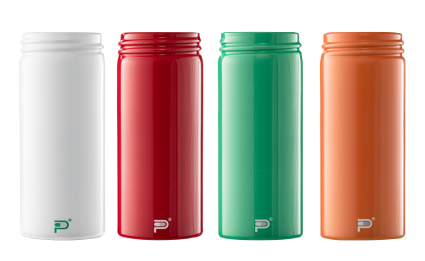
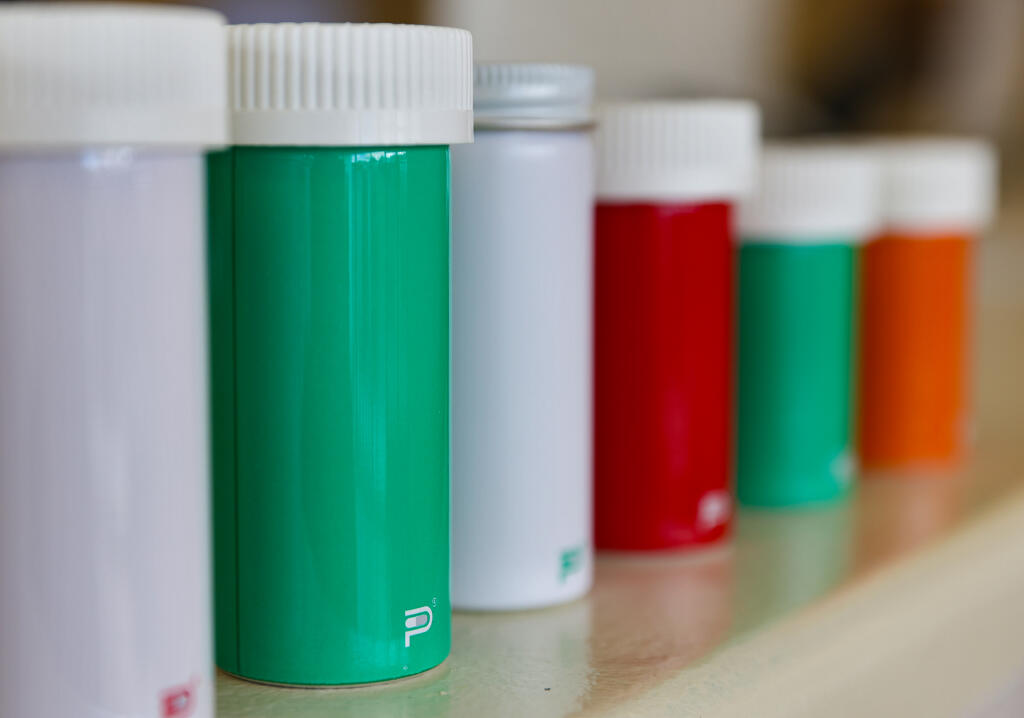
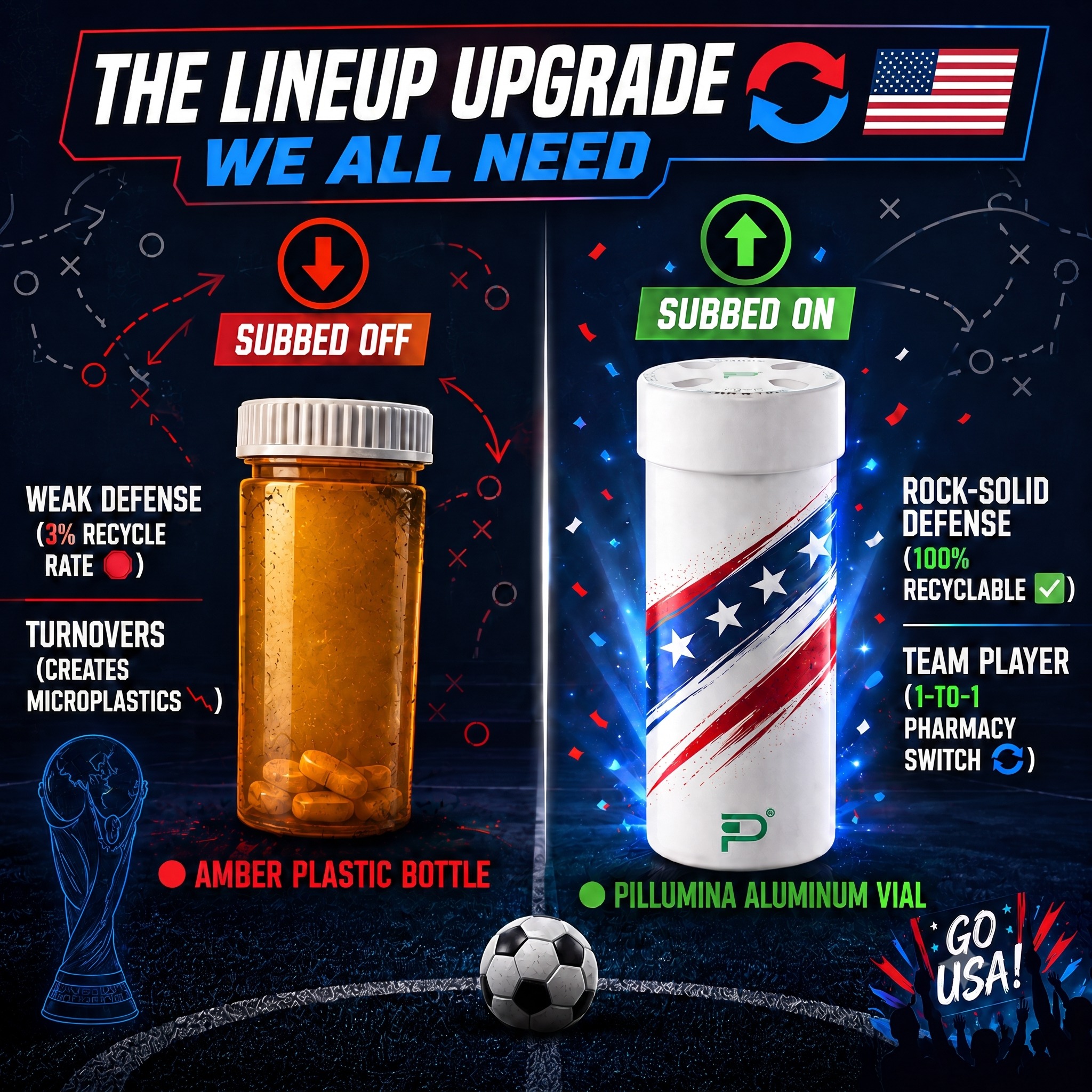
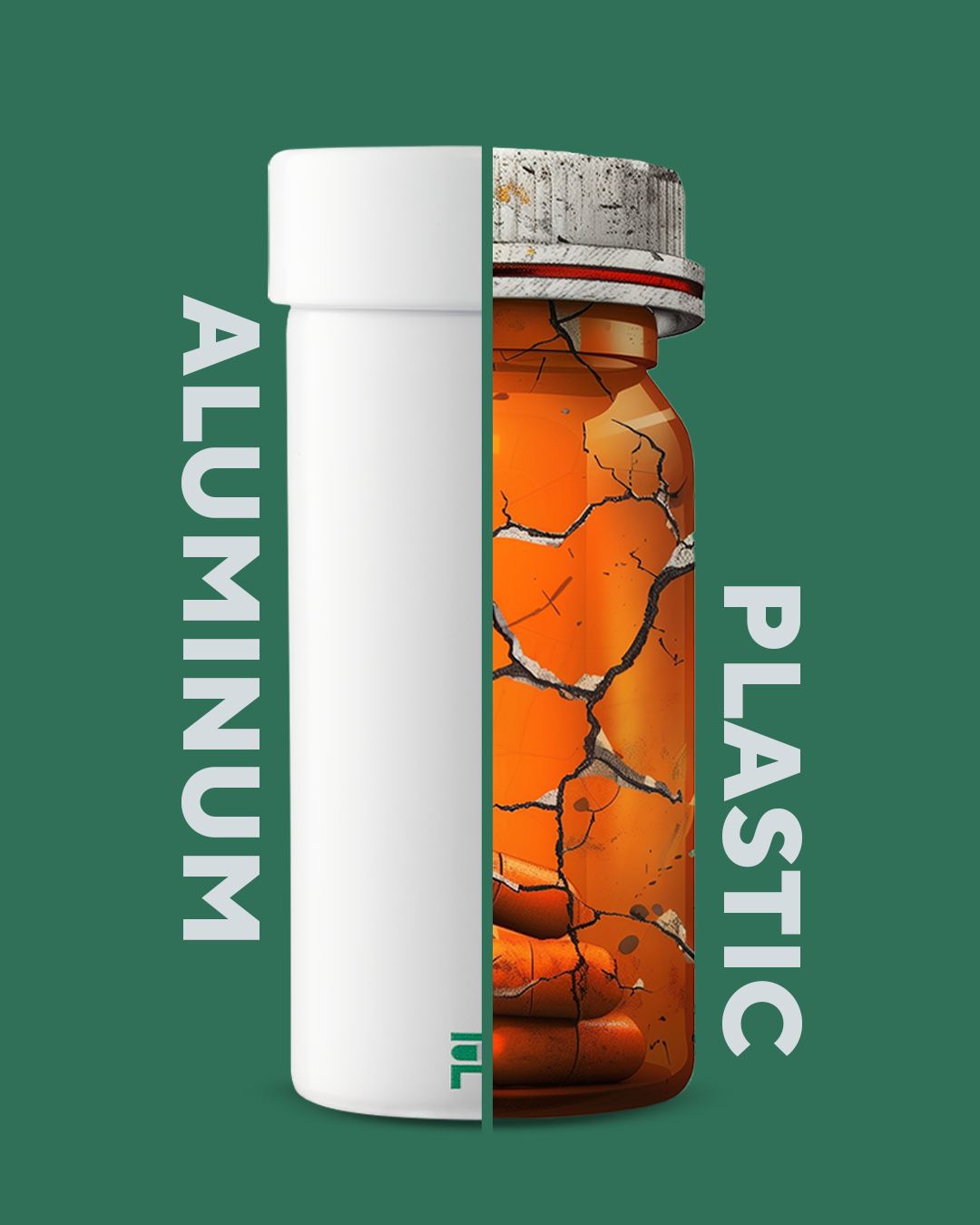
In pharmaceutical packaging, choosing the right material isn’t just about convenience. While plastic is widely available and often the easiest option, it doesn’t provide the protection or sustainability that modern pharmacy demands. Aluminum pill bottles, on the other hand, protect medication quality, keep patients safe, and support eco-friendly practices.
This balance of safety and sustainability is a priority across the healthcare industry, with experts emphasizing materials that maintain drug stability, reduce waste, and can be reused or recycled.
When viewed this way, aluminum clearly stands out as a superior material for pill bottles.
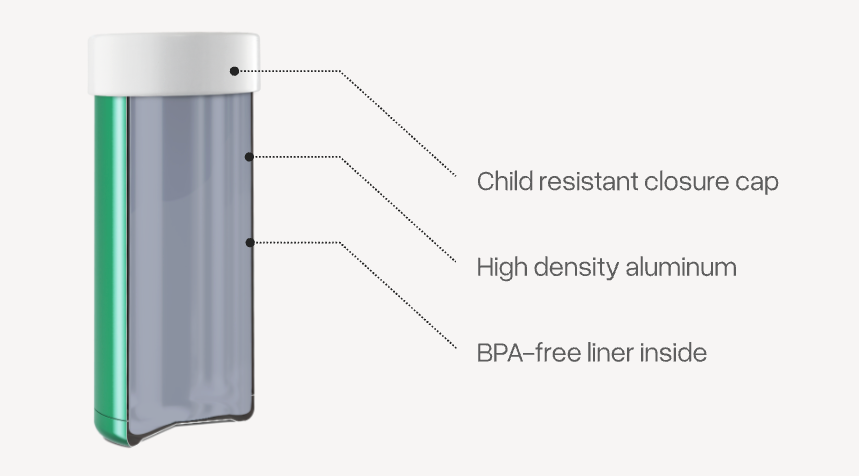
Across pharmaceutical and sustainability literature, there is a broad consensus on three core requirements for primary packaging:
The challenge lies in meeting all three simultaneously.
Plastic
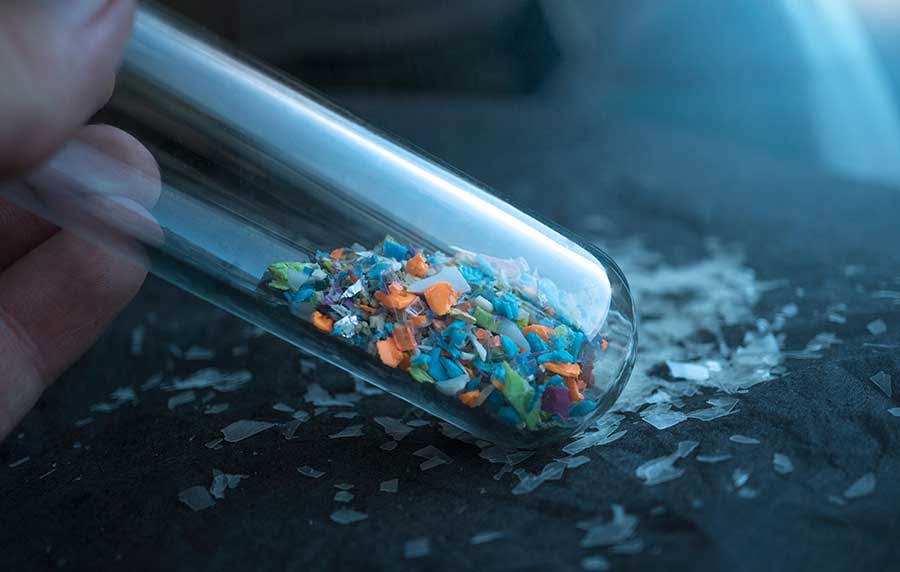
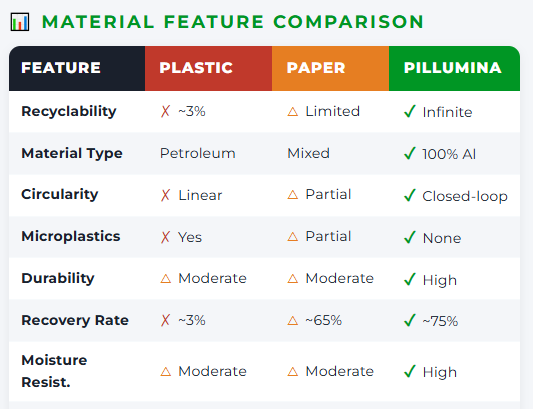
Plastic has long been favored for its low cost and flexibility, but it presents growing concerns:
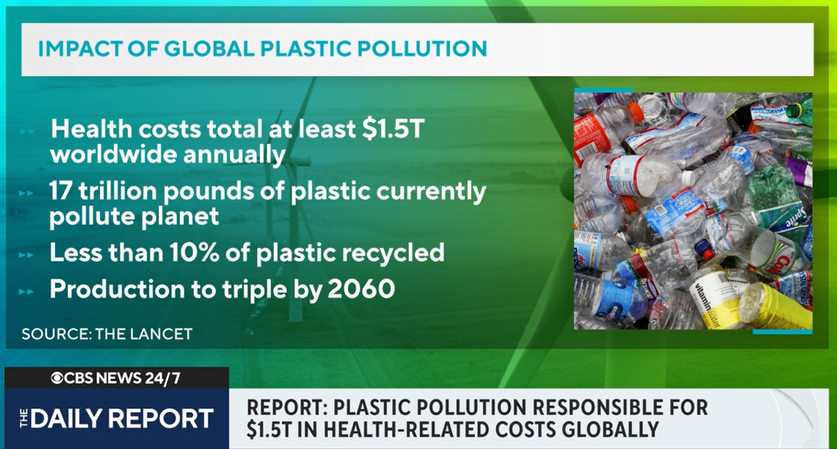
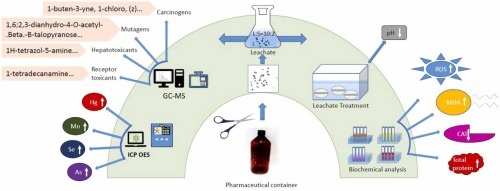
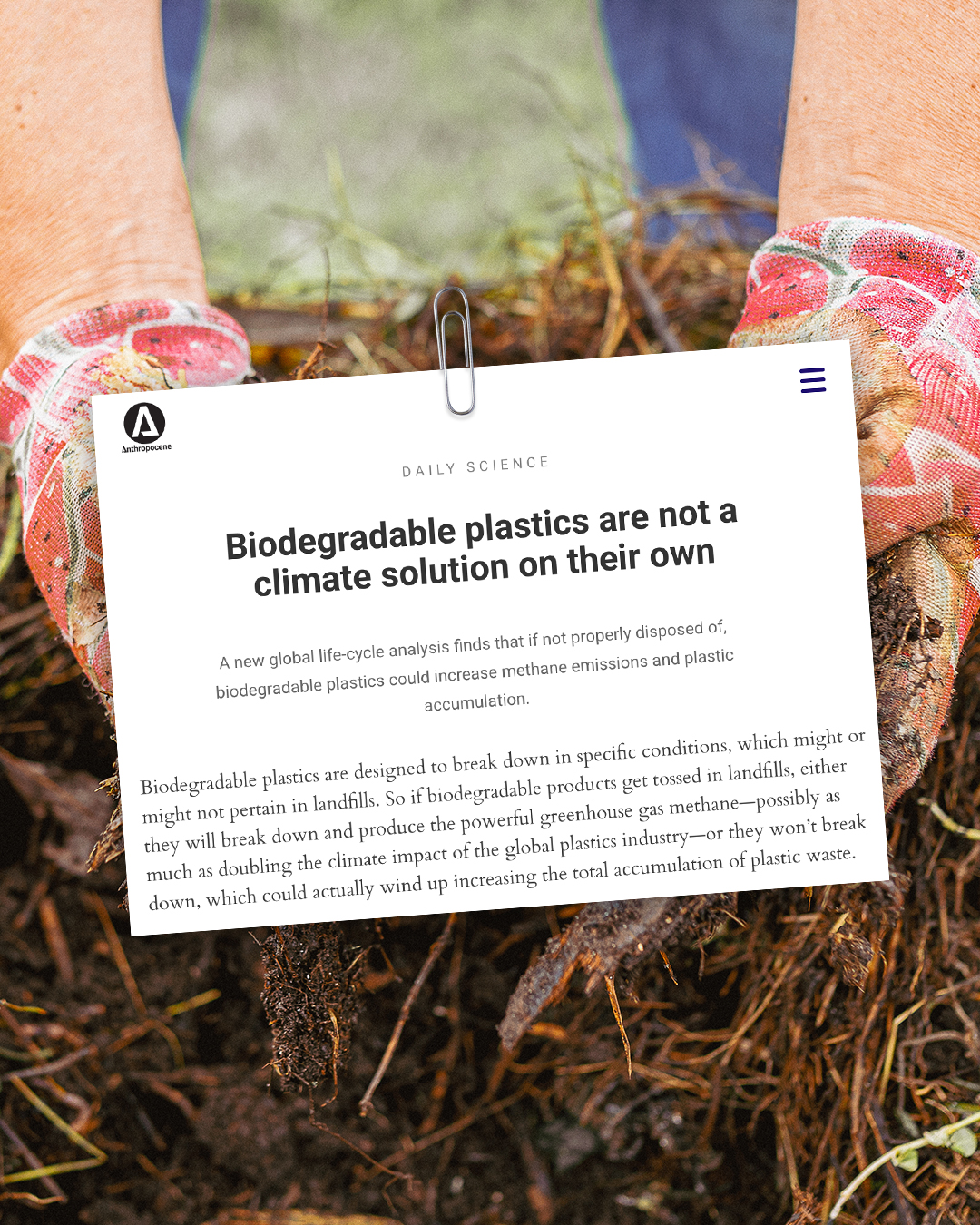
Reports from organizations such as the OECD and UNEP consistently identify plastic packaging as a major contributor to long-term environmental waste. Research on microplastics also highlights an emerging health concern, making alternatives like aluminum even more attractive for medication packaging.
Paper-Based Packaging
Paper is often associated with sustainability due to its renewable origins, but pharmaceutical applications introduce complexity:
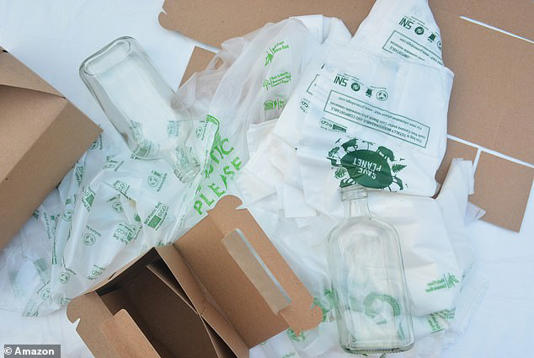
As highlighted in sustainable packaging studies, paper performs best as secondary packaging, rather than as the primary protective layer for sensitive products.
Glass
Glass offers excellent chemical stability and barrier protection and has a long history in pharmaceuticals. However:
These trade-offs limit its scalability in modern pharmacy systems.
Aluminum is one of the few materials that consistently meets technical, regulatory, and environmental criteria.
Exceptional Barrier Protection
Aluminum provides near-absolute protection from:
This aligns with pharmaceutical stability requirements outlined in regulatory guidance and scientific literature, helping preserve medication efficacy throughout its shelf life.
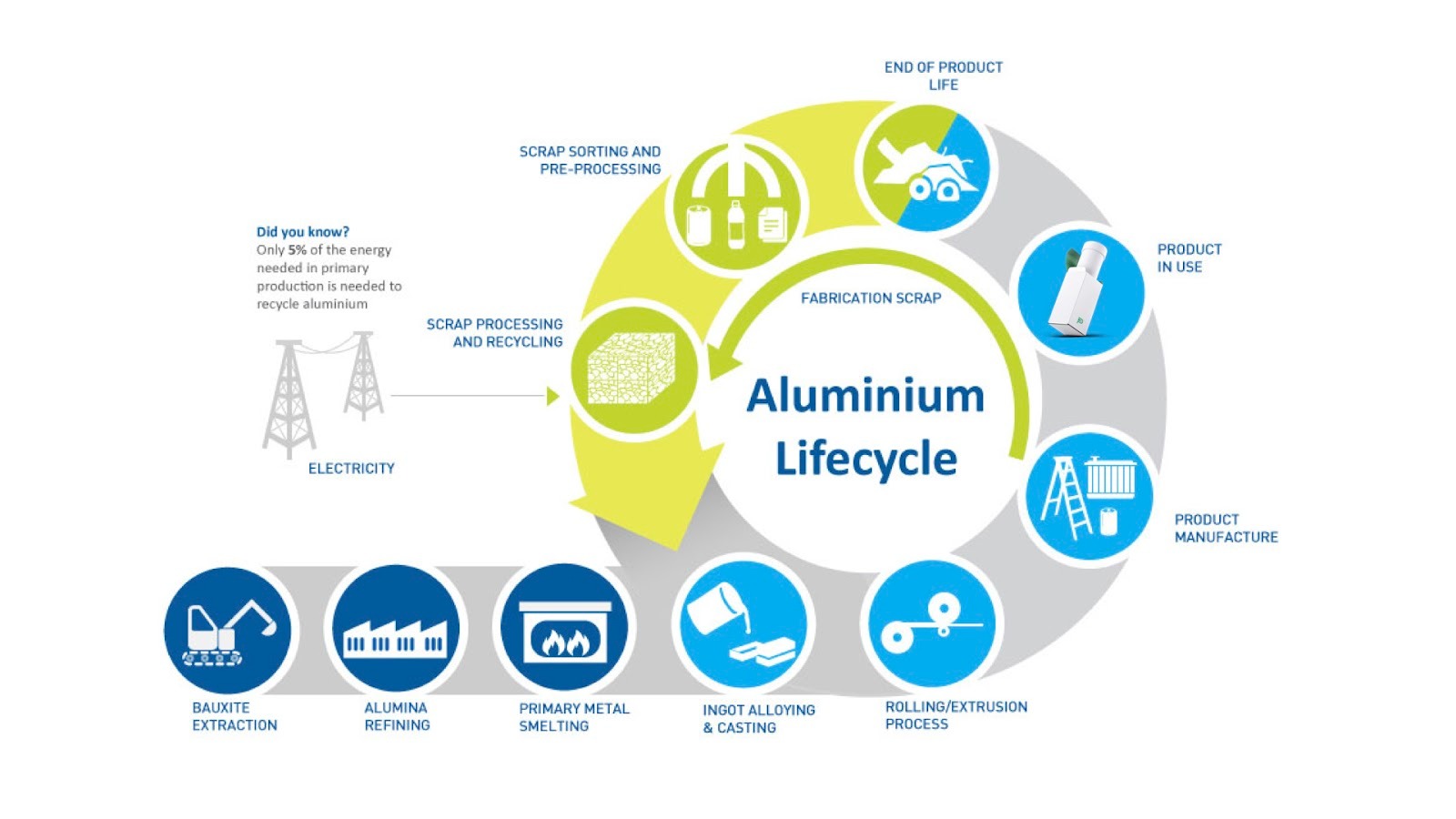
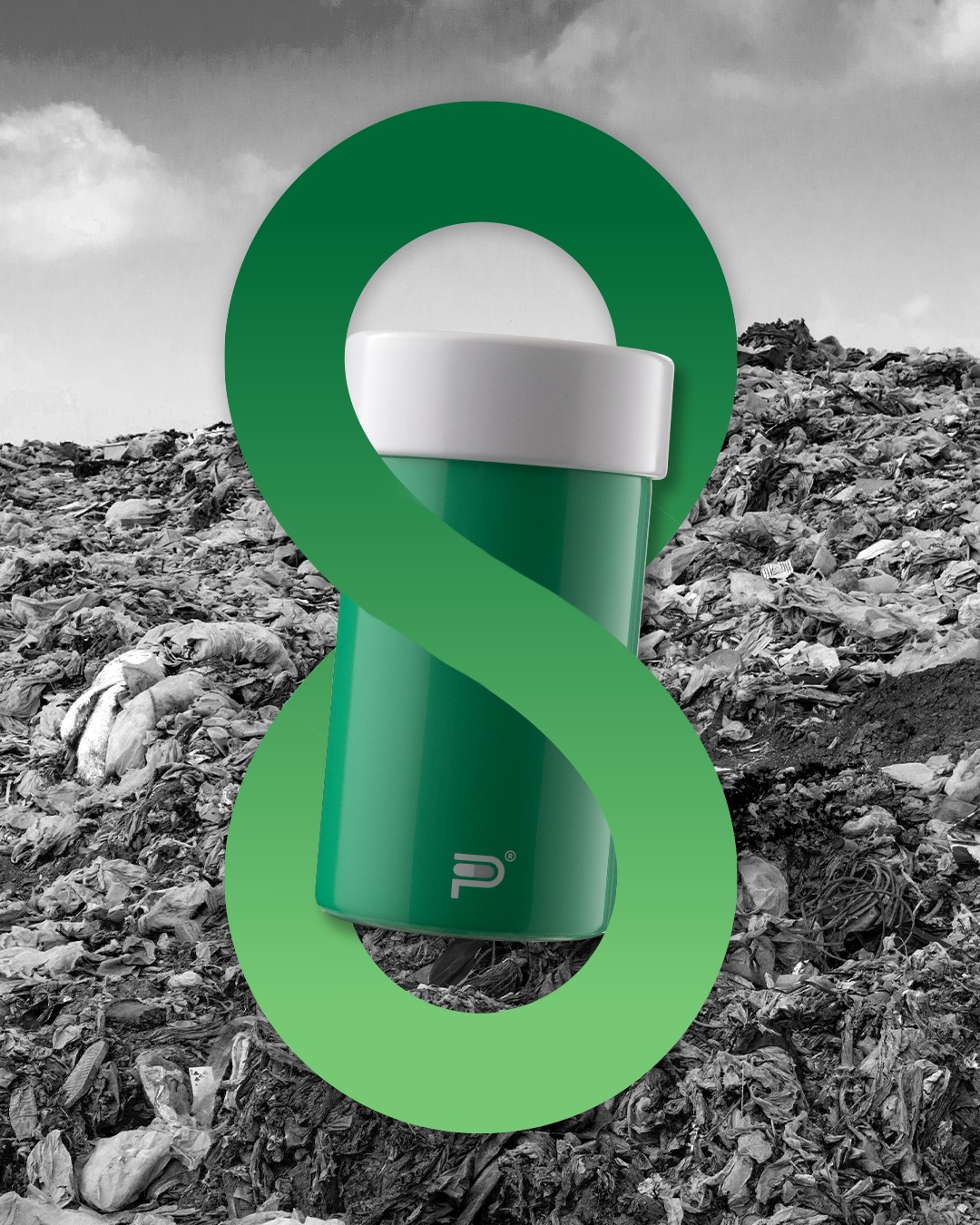
Designed for a Circular Economy
According to the International Aluminum Institute and widely cited sustainability research:
These characteristics place aluminum at the center of circular economy system where materials are reused for as long as possible instead of being thrown away, a concept promoted by the Ellen MacArthur Foundation.
Durable, Lightweight, and Practical
Aluminum combines:
This makes it particularly well suited for the rapid growing mail-order pharmacy and personal care industry.
In healthcare, packaging is part of the patient experience. Aluminum’s clean, precise, and modern appearance aligns naturally with medical environments, reinforcing perceptions of quality, safety, and care, an insight supported by consumer behavior research in healthcare branding.

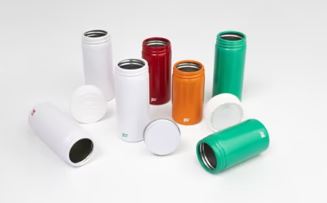
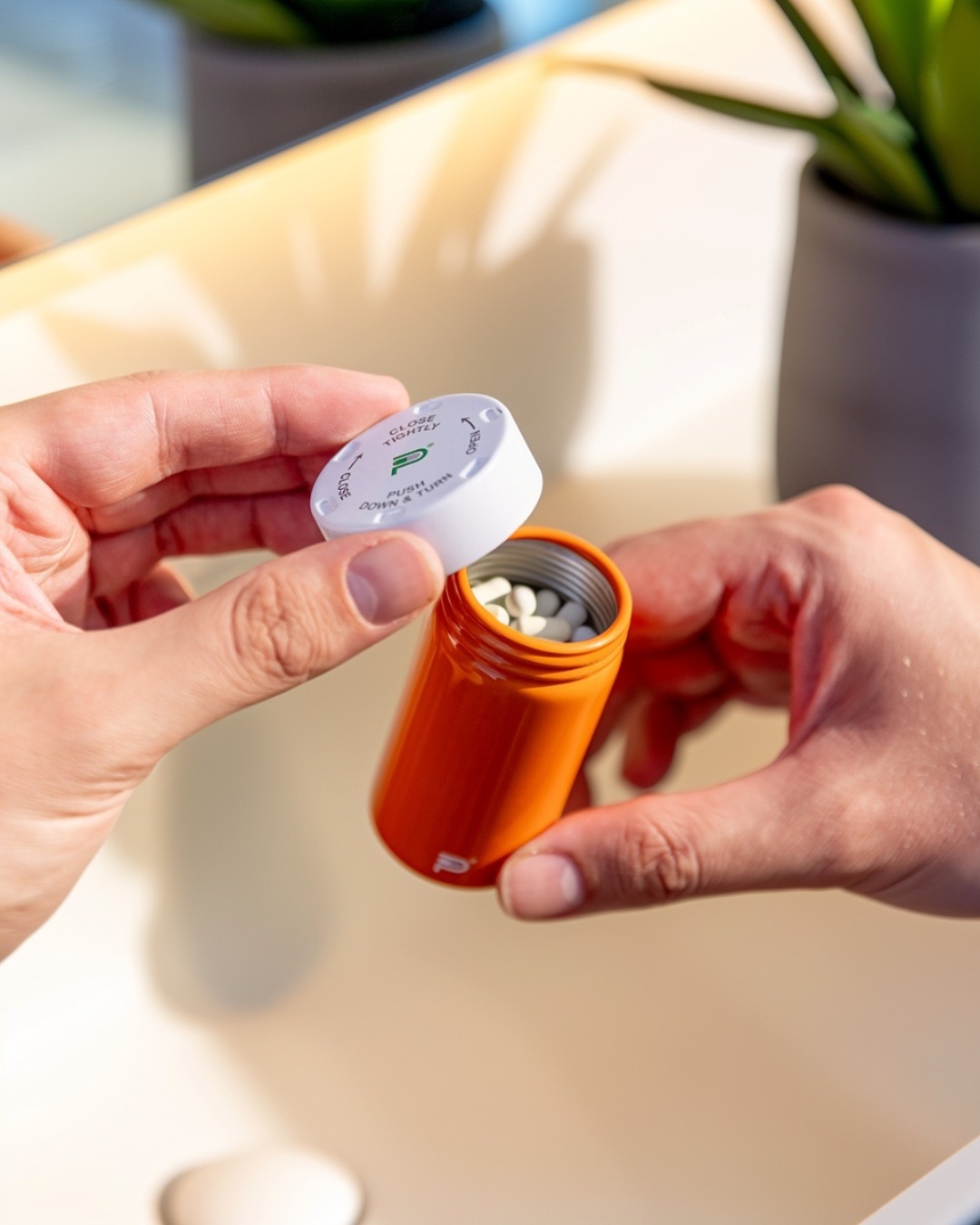
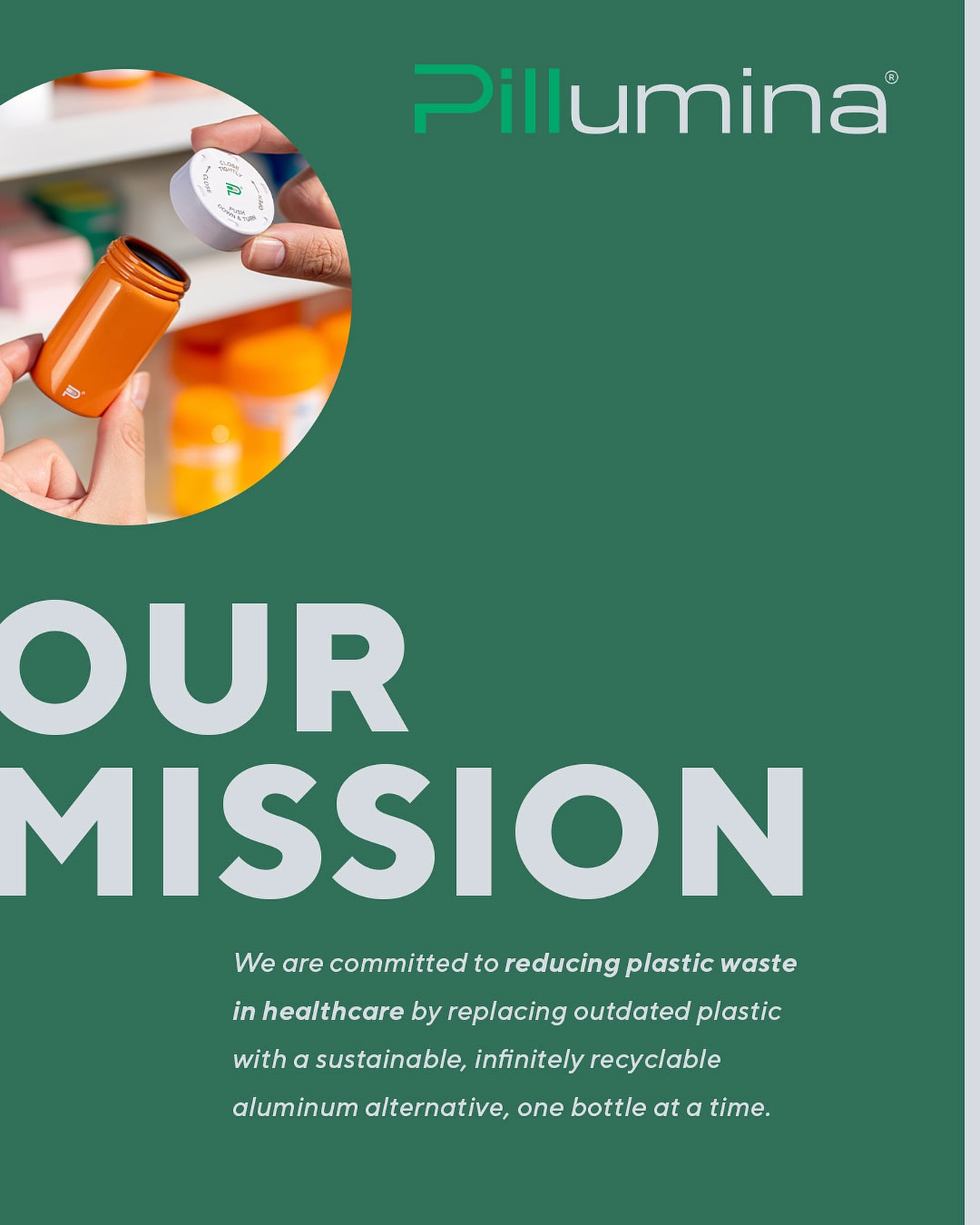
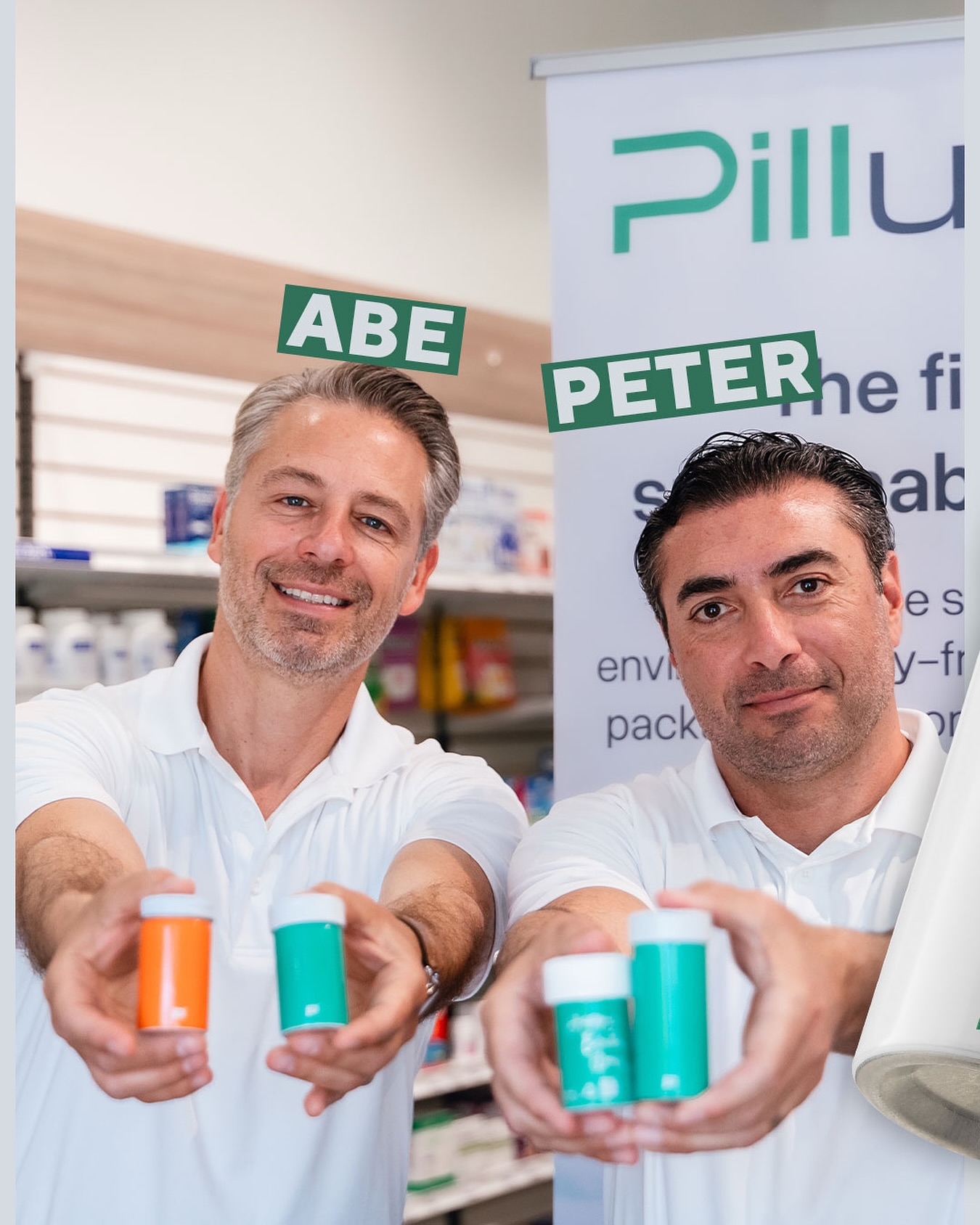
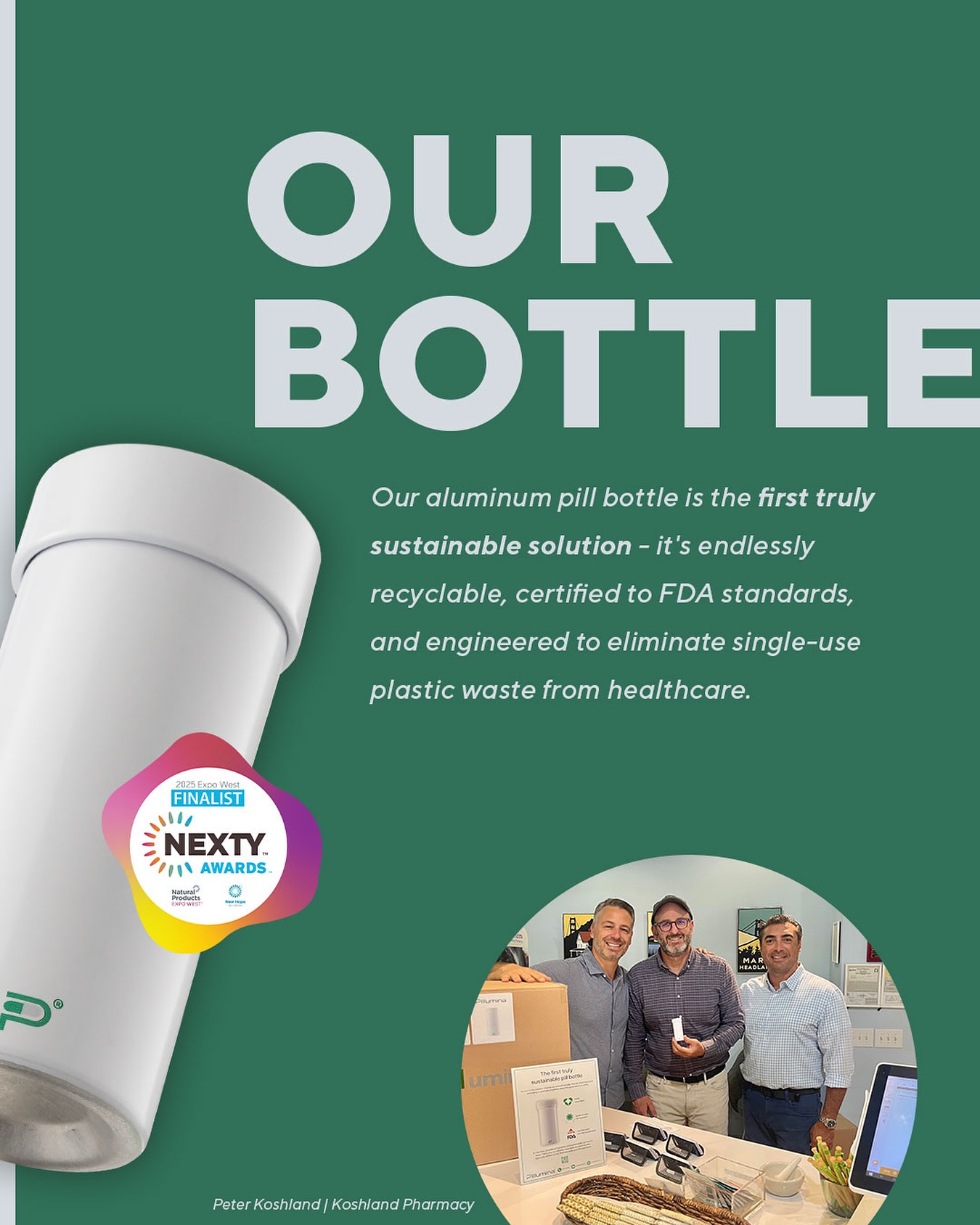
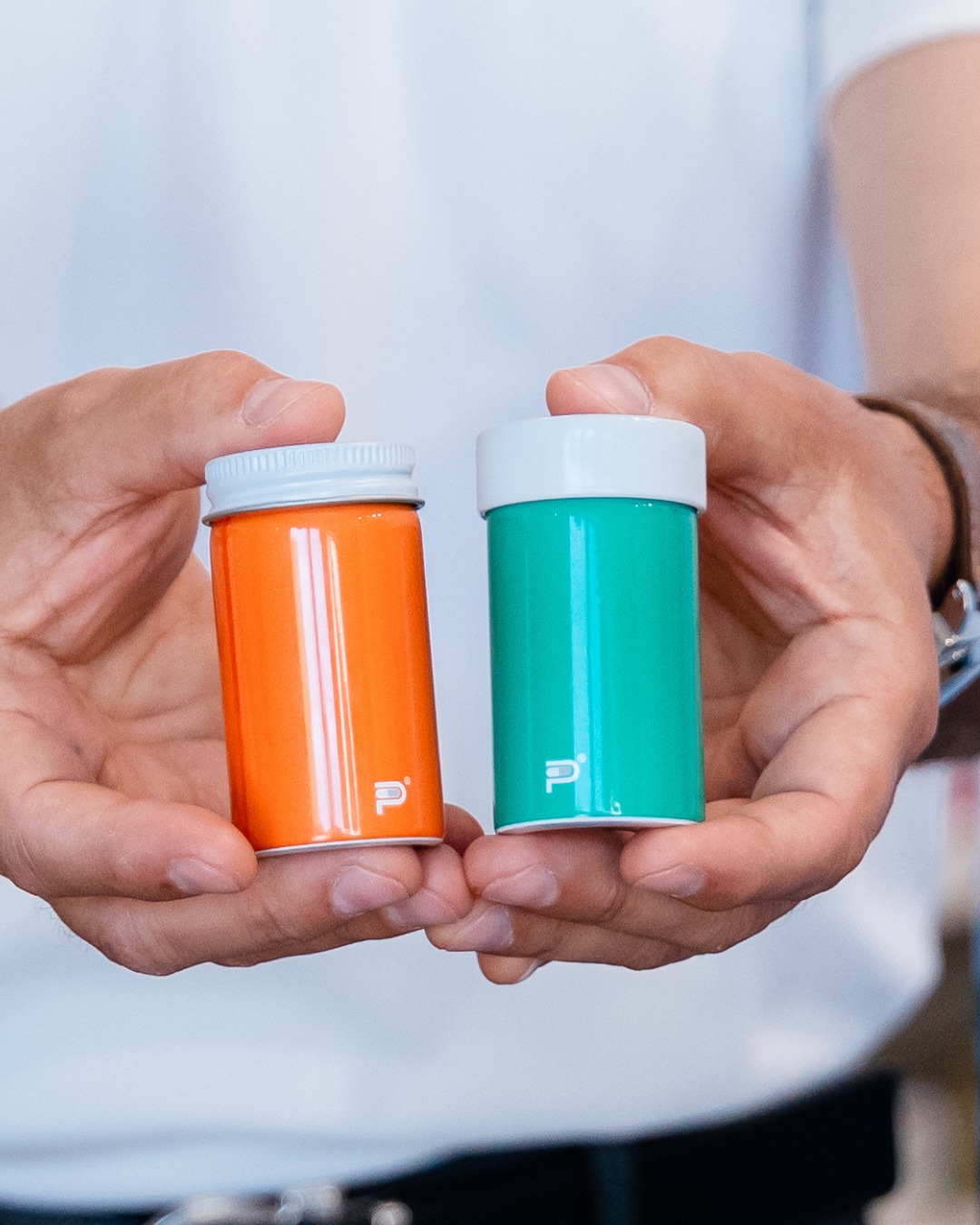
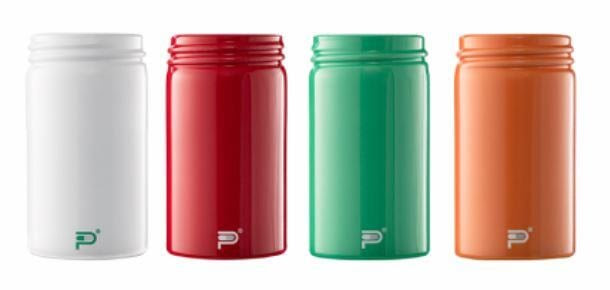
At Pillumina, aluminum is not chosen as an alternative, it is chosen as a best-in-class material.
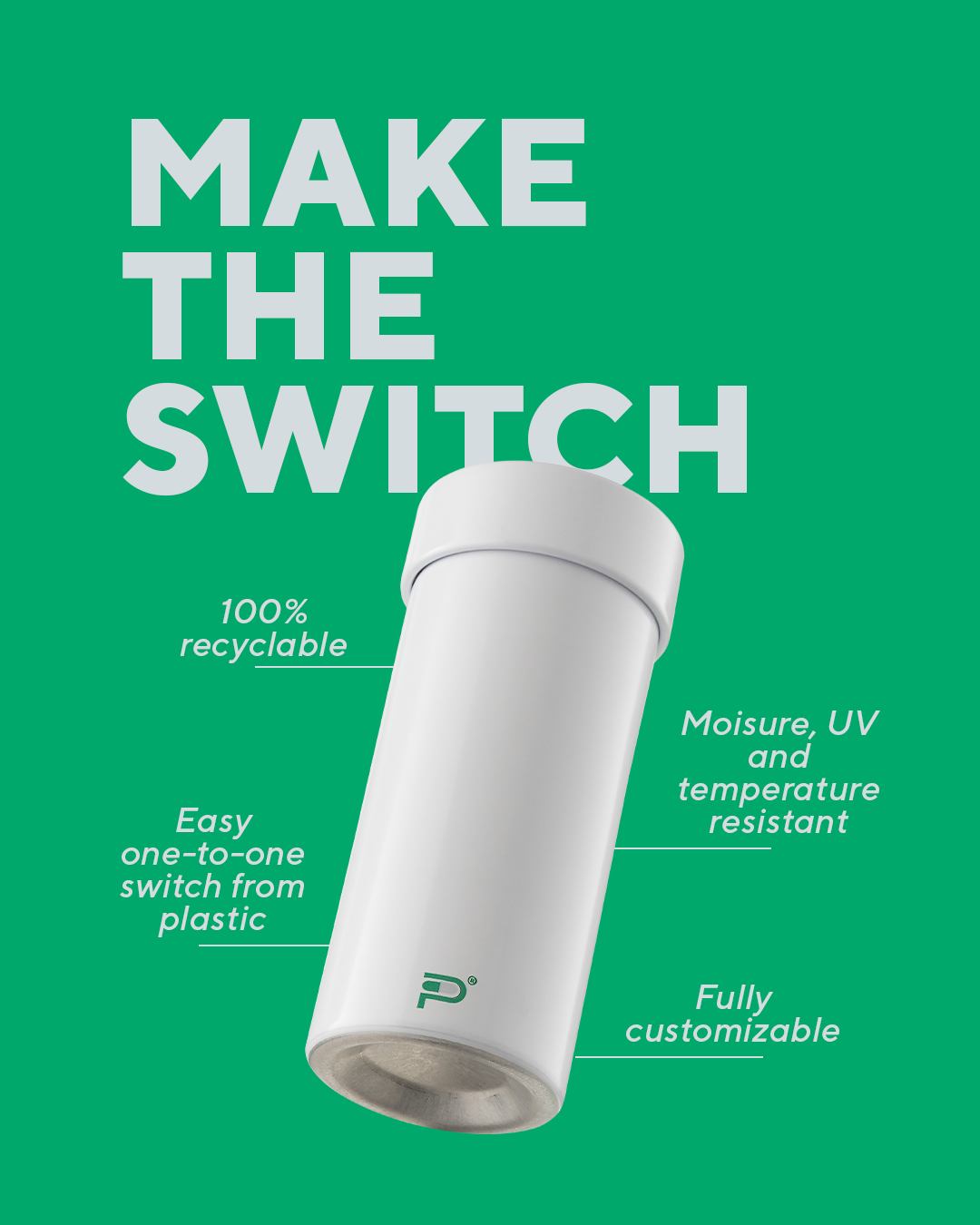
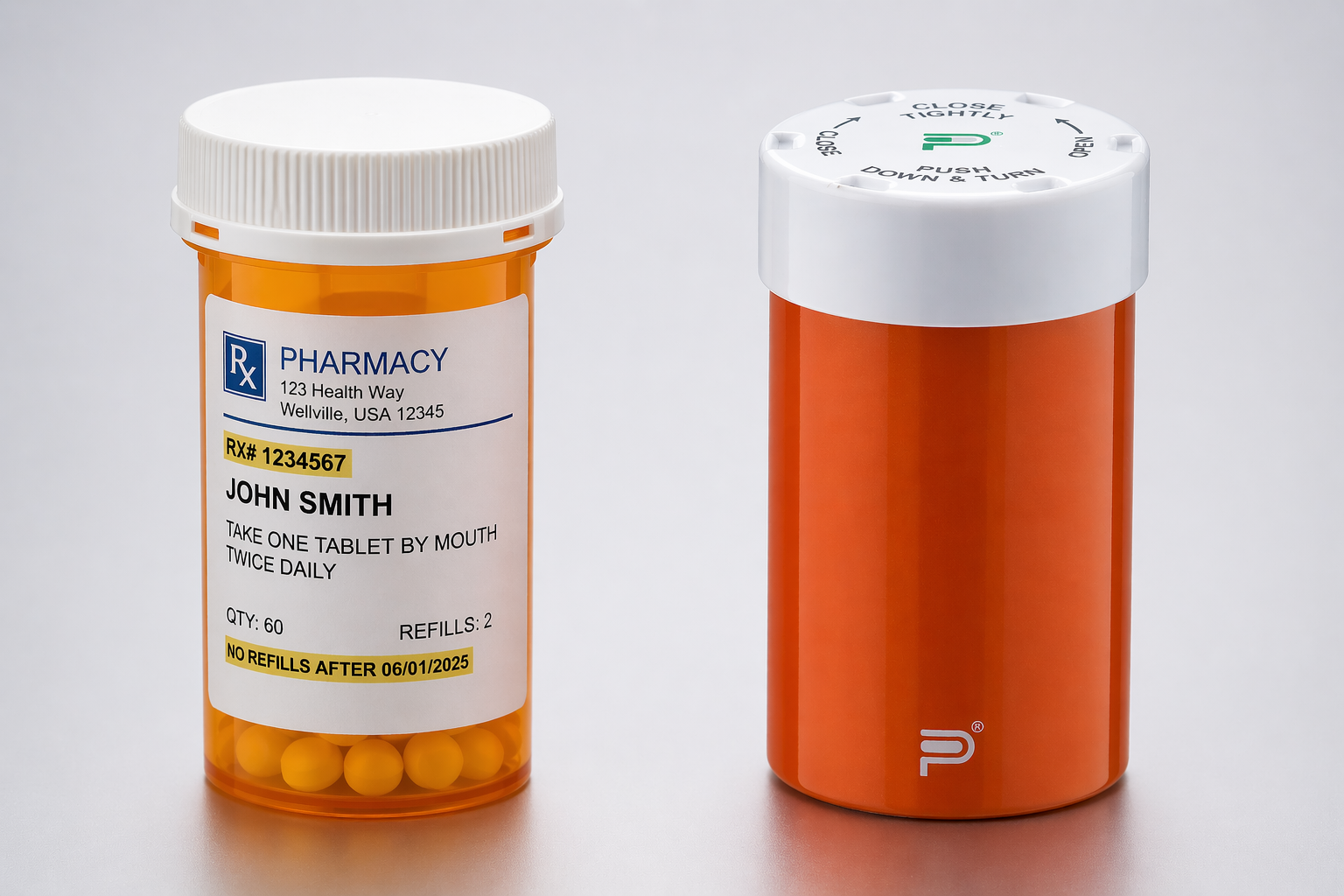
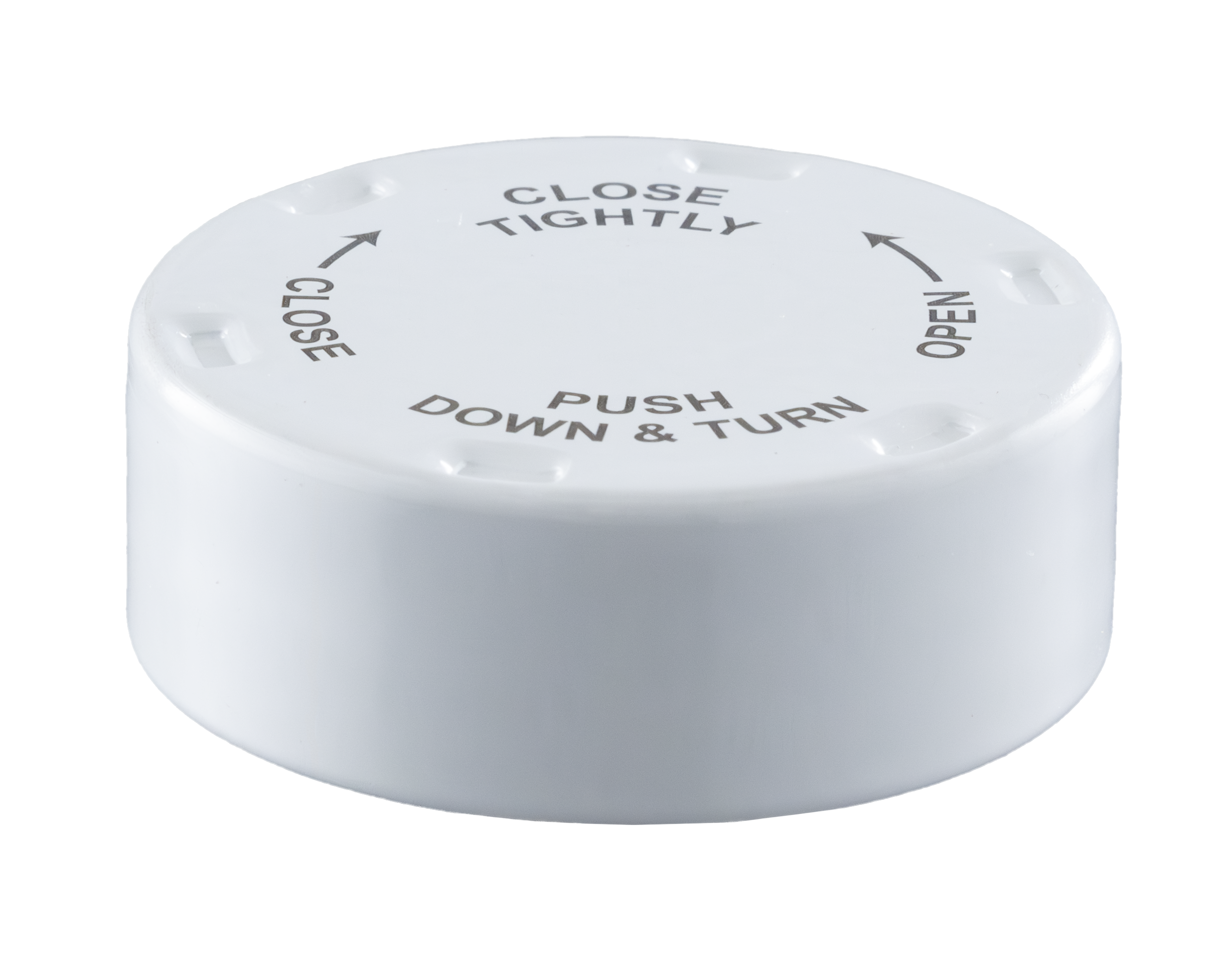
Our aluminum pill bottles are designed to:
This approach reflects a growing shift in healthcare packaging: moving from short-term solutions toward materials built for durability, circularity, and trust.
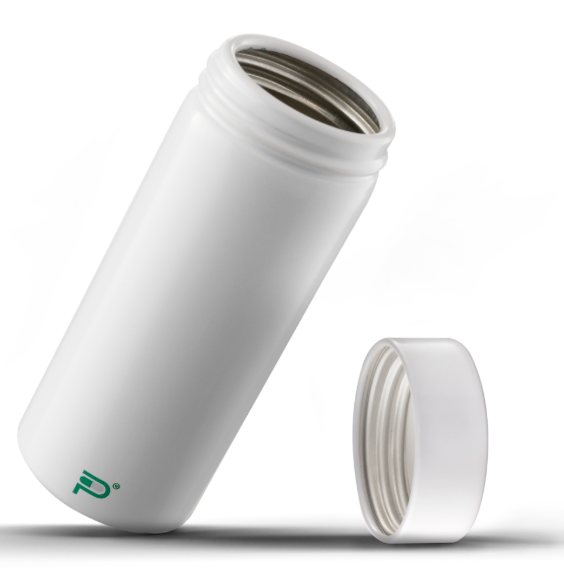
As sustainability becomes a standard part of pharmacy packaging, choosing materials will be guided by how well they perform over their entire life, from production to recycling, while also providing a premium, high-quality experience for patients.
Aluminum’s unique combination of protection, recyclability, and longevity positions it as a natural foundation for the future of pill bottle packaging.
That is the standard Pillumina is built on.























































.jpeg)